
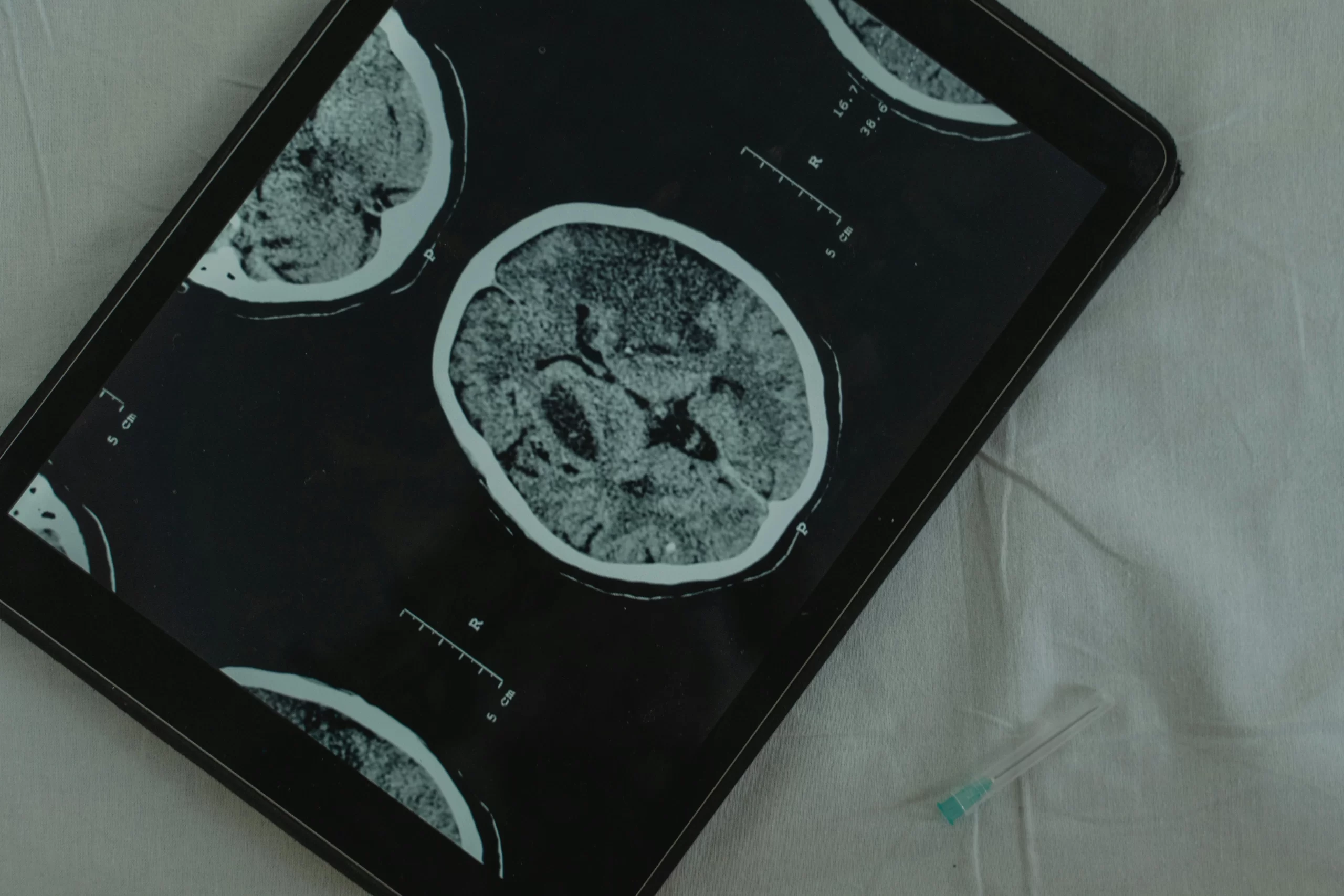
Are Mental Health Disorders Genetic? What You Should Know About Family Risk
Mental health challenges impact millions of individuals globally, touching every background, age group, and income level. With increased public awareness around mental wellness, many people now ask the deeper, more personal question: Are mental health issues genetic? Can something like depression, anxiety, or bipolar disorder run in families? The short answer is yes—there is a genetic component—but that’s only part of the picture.
Mental health disorders usually stem from a complex combination of genetic, biological, psychological, and environmental factors. While having a family member with a mental illness may increase your risk, it doesn’t guarantee that you’ll experience the same condition. Similarly, people with no family history can still develop mental health issues due to trauma, stress, substance use, or other life events.
Whether you’re exploring your family history or trying to understand your own experiences, it’s important to learn how genetics influence mental health—and where they don’t. This knowledge can be empowering and help you or a loved one take meaningful steps toward healing and support.
Are Mental Health Issues Genetic?
Research suggests that many mental health disorders are heritable to some degree, meaning they can run in families. But unlike conditions caused by a single gene—like Huntington’s disease—mental illnesses are usually polygenic, involving multiple genes that interact with each other and with environmental influences.
The National Institute of Mental Health (NIMH) identifies four key areas that contribute to the development of mental health conditions:
- Genetics – Inherited traits from biological family members
- Biology – Including brain chemistry and neurodevelopment
- Environmental factors – Such as trauma, abuse, and chronic stress
- Psychological influences – Like personality, coping styles, and learned behaviors
So, while genetic predisposition plays a role, it doesn’t act in isolation. Having a parent or sibling with a mental illness may increase your risk, but lifestyle choices, life experiences, and support systems also heavily influence whether a condition actually develops.
What Mental Illnesses Are Hereditary?
Some mental health disorders show stronger patterns of inheritance than others. Here’s a closer look at the most commonly studied hereditary conditions.
1. Bipolar Disorder
Bipolar disorder involves intense mood shifts, from emotional highs (mania or hypomania) to lows (depression). It affects around 2.6% of the adult population, with symptoms typically emerging in late adolescence or early adulthood.
- Family risk: If one parent has bipolar disorder, a child has about a 10–25% chance of developing it. If both parents are affected, the risk rises to 50–75%.
- Genetic research: Studies have identified multiple genetic variations that may contribute to bipolar disorder, such as those affecting calcium signaling in the brain.
However, genetic risk alone doesn’t determine the outcome. Stress, trauma, and sleep disruption are common triggers for manic or depressive episodes.
2. Major Depressive Disorder
Depression is one of the most prevalent mental health disorders worldwide, affecting over 300 million people globally. Symptoms include persistent sadness, fatigue, loss of interest in daily activities, and hopelessness.
- Family risk: A person with a first-degree relative with depression has a two to three times higher risk of developing the disorder.
- Heritability: Twin studies estimate depression to be about 37% heritable, meaning genetics explains roughly one-third of the risk.
- Gene focus: Researchers have looked into the serotonin transporter gene (5-HTTLPR) and other neurochemical pathways, though no single gene has been pinpointed as a cause.
Environment still plays a dominant role, particularly childhood adversity, chronic stress, and substance abuse.
3. Anxiety Disorders
This group includes generalized anxiety disorder (GAD), panic disorder, social anxiety, and phobias. Anxiety affects nearly 1 in 5 adults in a given year.
- Family risk: Studies show that first-degree relatives of those with anxiety disorders are more likely to develop similar symptoms.
- Heritability: Anxiety disorders have an estimated 30–50% genetic component.
- Genetic influence: Some genes involved in serotonin, dopamine, and gamma-aminobutyric acid (GABA) systems may increase susceptibility.
Environmental triggers like childhood trauma, bullying, or chronic stress often interact with genetics to produce symptoms.
4. Schizophrenia
Schizophrenia is a severe and often disabling mental illness marked by hallucinations, delusions, disorganized thinking, and emotional withdrawal.
- Prevalence: Affects about 1% of the global population.
- Family risk: If a person has a parent or sibling with schizophrenia, their risk increases to 10%. With two affected parents, the risk jumps to 40–50%.
- Genetics: Over 100 gene variants have been associated with schizophrenia, including mutations on chromosome 22q11. However, not everyone with these markers develops the condition.
Prenatal exposure to infections, early brain development issues, and substance use during adolescence may also contribute to risk.
5. Other Hereditary Mental Conditions
Other psychiatric and neurodevelopmental conditions with documented hereditary patterns include:
- Autism Spectrum Disorder (ASD): Highly heritable, with rates ranging from 50–80%.
- Attention-Deficit Hyperactivity Disorder (ADHD): Estimated heritability around 74%.
- Obsessive-Compulsive Disorder (OCD): Some studies suggest a 45–65% genetic contribution.
Genetic links often overlap between conditions, meaning the same genetic markers might contribute to multiple disorders.
Additional Risk Factors Beyond Genetics
Even if you have a genetic predisposition, it doesn’t mean you’ll automatically develop a mental health disorder. Conversely, people without a family history can still experience significant psychological distress. That’s because genes load the gun, but the environment pulls the trigger.
Environmental and Lifestyle Risk Factors:
- Childhood trauma or abuse
- Neglect or parental absence
- Substance misuse (your own or in the family)
- Chronic medical conditions (like cancer or diabetes)
- Isolation and lack of social support
- Work-related stress and burnout
- Poverty and unstable housing
Stressful environments may activate genetic vulnerabilities, a phenomenon known as gene-environment interaction. The good news is that protective factors—like strong relationships, physical activity, therapy, and self-care—can reduce the risk even in those with a family history.
Treatment Options for Mental Illness

Whether or not your condition has a genetic basis, effective treatment is available, and recovery is possible. Early intervention often leads to better long-term outcomes.
Common treatments include:
- Psychotherapy – Cognitive-behavioral therapy (CBT), dialectical behavior therapy (DBT), trauma-focused therapy
- Medication – Antidepressants, mood stabilizers, antipsychotics, and anti-anxiety medications
- Supportive therapies – Group therapy, art therapy, mindfulness, EMDR
- Lifestyle changes – Nutrition, exercise, improved sleep hygiene, and stress management
Treatment plans should be personalized, taking into account a person’s history, preferences, and unique mental health profile.
If you’re looking for professional support, Psychological Healing offers experienced Therapist Florida who specialize in evidence-based care. They understand that healing is not one-size-fits-all and work with you to create a compassionate, personalized path to recovery.
Ready to Take the Next Step?
You’re not alone—and you don’t have to figure this out by yourself. Whether you’re navigating symptoms for the first time or seeking support after a diagnosis, Psychological Healing is here to help. Their licensed Therapist Florida professionals understand how genetics, life experiences, and emotional challenges intersect—and they’re ready to guide you with respect and empathy.
You deserve healing, and the right care can make all the difference. Start your journey toward mental wellness today. Contact Psychological Healing now to schedule your first session.
Feel free to check out our social media links below:
Check out our related articles below:
Overcoming Doom and Gloom: 10 Strategies to Shift Your Mindset
Cognitive Behavioral Techniques to Stop Feeling Doomed and Helpless
Breaking the Cycle: How to Stop Negative Thoughts from Taking Over