
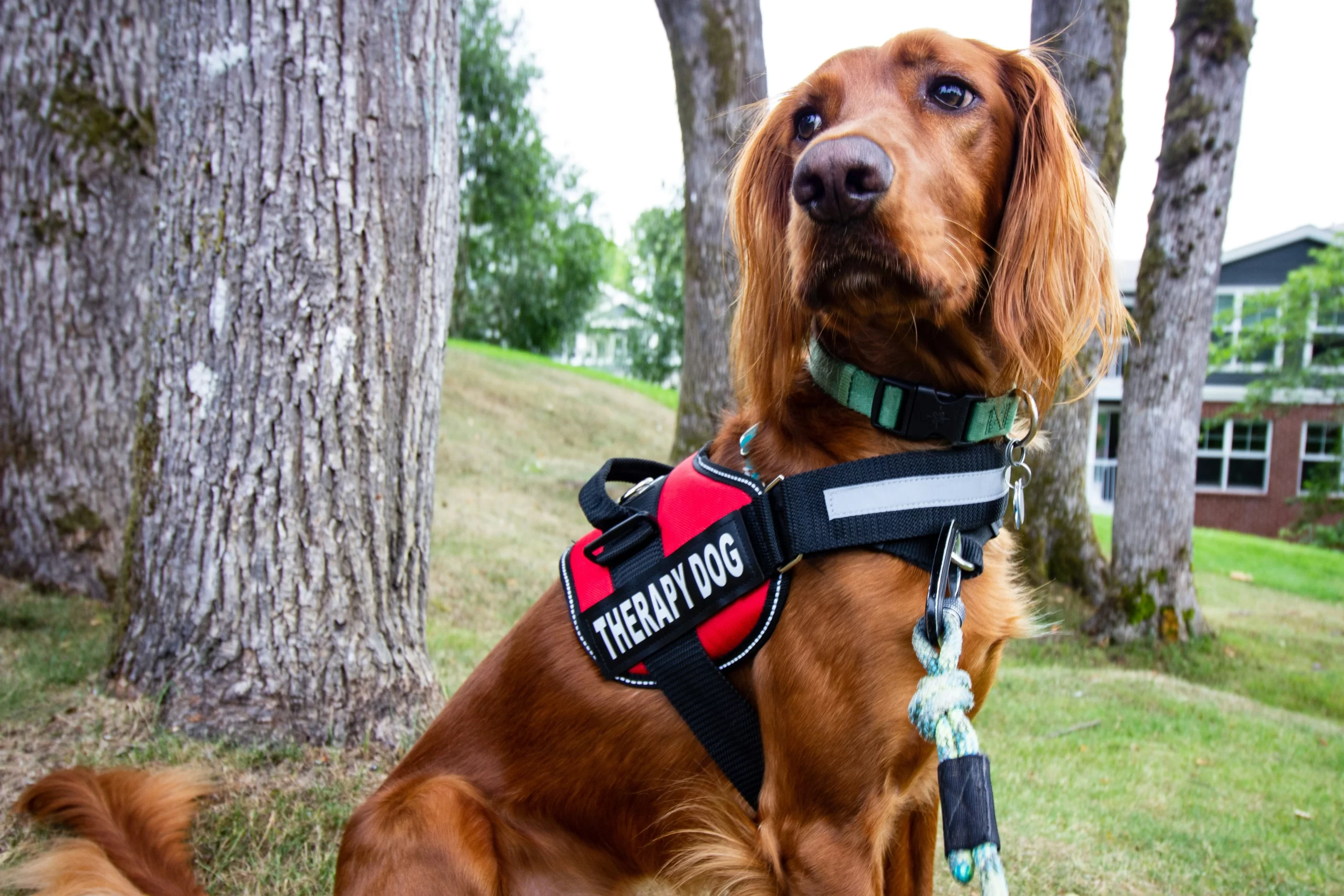
How Do I Get a Therapy Dog for Anxiety? A Step-by-Step Guide
If you live with anxiety, whether it appears as constant worrying, racing thoughts, panic attacks, or physical symptoms like shaking and rapid heart rate, you may have wondered, “How do I get a therapy dog for anxiety?” It’s a common question, especially as more people recognize how calming and emotionally grounding dogs can be. For many, a well-trained support dog becomes a life-changing part of their mental health routine, offering comfort, confidence, and a sense of safety in overwhelming moments.
But getting a therapy dog or any type of support dog is not as simple as buying a puppy and calling it a therapy animal. There are distinctions you need to understand, documentation that may be required, and important steps in the process. This expanded guide walks you through everything you need to know, from choosing the right type of support dog to navigating legal rules and training expectations.
Therapy Dog vs. Emotional Support Animal vs. Psychiatric Service Dog

Before beginning the process, it’s crucial to understand that not all dogs providing emotional comfort are legally considered “therapy dogs.” The term is often used loosely in everyday conversations, but in mental health and legal contexts, each category has a different purpose and level of training.
Therapy Dogs
Therapy dogs are trained to provide comfort to groups of people, not a single owner. You’ll often find them in:
- Hospitals
- Schools
- Nursing homes
- Rehabilitation centers
- Counseling settings
They are social, gentle, and people-friendly, but they do not have public access rights under the law. They cannot accompany you into restaurants, stores, or airplanes unless the facility specifically allows therapy animals.
Emotional Support Animals (ESAs)
ESAs provide emotional comfort to people with mental health challenges like anxiety, depression, PTSD, and panic disorders. Unlike psychiatric service dogs, ESAs:
- Do not require specialized task training
- Do not have legal public access rights
- Do require a letter from a licensed mental health professional
ESAs can be allowed in housing units that normally prohibit pets under the Fair Housing Act, and some employers may allow them as part of accommodations.
Psychiatric Service Dogs (PSDs)
These are the most specialized support animals. Psychiatric service dogs are trained to perform specific tasks that help mitigate a diagnosed mental health condition. For anxiety, a PSD might be trained to:
- Interrupt a panic attack
- Apply deep pressure therapy
- Help regulate breathing
- Lead the owner away from triggering situations
- Fetch medication
- Ground the owner during dissociation
Psychiatric service dogs are protected under the Americans with Disabilities Act (ADA), which means they can accompany you in nearly all public places, including restaurants, stores, workplaces, airports, and airplanes.
When people ask about a “therapy dog for anxiety,” they often mean either an ESA or a psychiatric service dog. Understanding the difference helps you choose what best fits your needs.
Step 1: Determine What Type of Help You Need
Choosing between a therapy dog, ESA, and psychiatric service dog depends on the severity of your anxiety and how it impacts your life.
You may benefit from an ESA if:
- You struggle with emotional regulation
- You want companionship at home
- You benefit from a calming presence during anxiety
- You don’t need the dog to perform specialized tasks
A psychiatric service dog may be appropriate if:
- You have panic attacks regularly
- You find it difficult to function independently
- You have trouble leaving home due to anxiety
- You need grounding, medication reminders, or deep pressure therapy
- Anxiety interferes significantly with daily activities
Your mental health provider can help determine which option aligns with your needs.
Step 2: Get an Official Mental Health Evaluation
To obtain a therapy dog or ESA, you need documentation from a licensed professional, such as:
- A therapist
- A psychologist
- A psychiatrist
- A licensed clinical social worker
- A primary care physician trained to treat anxiety
For an ESA, you need a formal ESA letter stating that the animal provides emotional support for a diagnosed condition.
For a psychiatric service dog, the ADA does not require an official letter or certification, but you must:
- Have a diagnosed disability.
- Be able to explain what tasks the dog is trained to perform.
Many mental health professionals evaluate your symptoms and help you understand what type of support animal makes sense.
Step 3: Select the Right Dog
Not every dog is suited for the role of an ESA or service dog. The right dog should be:
- Calm and even-tempered
- Not easily startled
- Friendly but focused
- Adaptable to new environments
- Emotionally attuned to its owner
- Intelligent and trainable
Popular breeds include:
- Golden Retrievers
- Labrador Retrievers
- Poodles
- Collies
- Bernese Mountain Dogs
- Mixed breeds with gentle temperaments
You can obtain a support dog through:
- A professional training organization
- A breeder specializing in service animals
- A shelter or rescue (for ESA or self-trained PSD roles)
A psychiatric service dog does not have to be a specific breed, but the dog must meet temperament and task-training requirements.
Step 4: Begin Proper Training
Training is the biggest difference between an ESA and a psychiatric service dog.
Training for Emotional Support Animals
ESAs do not need specialized training. However, they should:
- Be well-behaved
- Be socialized
- Respond to basic commands
- Be safe around people
Training for Psychiatric Service Dogs
A PSD must be trained to perform tasks that directly assist with your anxiety. Examples include:
- Interrupting harmful behavior
- Alerting you before a panic attack escalates
- Guiding you away from stressful crowds
- Performing deep pressure therapy on your chest or lap
- Bringing you comfort objects
- Fetching a phone or medication
Training can take months to years, depending on the dog and the complexity of tasks.
Some owners train their service dogs themselves with help from professional trainers. Others adopt fully trained dogs from organizations. The self-training route is far more affordable but requires patience and guidance.
Step 5: Know Your Legal Rights
Understanding the laws can help you avoid scams and protect your access rights.
Service Dog Rights (for PSDs)
Under the ADA, you can:
- Take your dog anywhere the public is allowed
- Bring it on airplanes
- Bring it to work (with reasonable accommodation)
Handlers do not need:
- Registration
- Certification
- ID cards
- Vests
These items can be helpful, but are not legally required.
Emotional Support Animal Rights
ESAs:
- Have housing rights
- Are sometimes allowed on planes depending on airline policy
- Do not have the legal right to enter public spaces
Therapy Dog Rights
Therapy dogs:
- Have no special legal rights
- Must be invited into establishments
Step 6: Make the Dog Part of Your Anxiety Treatment Plan
A therapy dog’s support is most effective when combined with a comprehensive mental health approach, especially for individuals with moderate to severe anxiety.
A holistic plan may include:
- Cognitive Behavioral Therapy (CBT)
- Mindfulness therapy
- Lifestyle changes
- Medication
- Consistent therapy sessions
- Stress reduction routines
A dog provides emotional grounding, daily structure, and a sense of safety, but therapy helps you develop long-term coping strategies.
How Much Does It Cost to Get a Therapy Dog for Anxiety?

Costs vary depending on the type of support animal and the training required.
Emotional Support Animals
- Adoption: $100–$600
- Vet care: $300–$1,500 annually
- No specialized training required
Psychiatric Service Dogs
- Fully trained PSD: $15,000–$40,000
- Self-trained PSD: $1,000–$7,000 (training classes, equipment, certifications)
- Upkeep: $500–$3,000 per year
Financial assistance programs exist through nonprofits for qualifying applicants.
Can You Self-Train a Dog to Be a Service Dog?
Yes. U.S. law allows for fully self-trained service dogs. However:
- Training must be thorough
- Behavior must meet public access standards
- Tasks must directly assist your diagnosed disability
Self-training is more affordable, but it requires consistent effort and professional guidance.
Is a Therapy Dog Right for You?
A therapy dog or service dog might be helpful if you experience:
- Frequent panic attacks
- Severe anxiety in public
- Difficulty calming yourself during distress
- Trouble with daily functioning
- Emotional dysregulation
- High stress exposure
- Situational triggers such as crowds, conflict, or overstimulation
Many people report improved daily functioning, confidence, and a reduction in anxiety symptoms after integrating a support animal into their lives.
Final Thoughts
So, how do you get a therapy dog for anxiety? The process begins with identifying the type of support you need, ESA or a psychiatric service dog, followed by getting a mental health evaluation, choosing a suitable dog, and ensuring the right level of training. A therapy dog can become a steady source of comfort and grounding, but it is most effective when paired with professional mental health treatment.
Get Help Managing Anxiety Today
If you’re exploring the idea of getting a therapy dog, you may also benefit from working with a therapist who specializes in anxiety. At Psychological Therapy, our Mindfulness Therapy California experts help you build calming strategies, strengthen emotional resilience, and create a comprehensive anxiety treatment plan.
Contact us today to schedule a session and begin learning the tools that support long-term emotional stability, whether or not you choose to add a therapy dog to your journey.
Feel free to check out our social media links below:
Check out our related articles below: