

How to Calm Yourself Down During an Anxiety Attack: 8 Fast Techniques
Have you ever asked yourself how to calm yourself down during an anxiety attack? You’re not alone. Anxiety attacks (or sudden surges of overwhelming anxiety) can feel like your mind and body are racing out of control. But the reassuring truth is: with the right tools, you can regain control, even in those intense moments.
In this article, we’ll walk through why anxiety attacks happen, what you might feel in your body, and, most importantly, eight effective techniques you can use right away to calm yourself when an attack strikes.
What Happens During an Anxiety Attack?

Anxiety attacks often begin with a cascade of physical and mental symptoms: rapid heartbeat, shallow breathing, sweating, trembling, a sense of doom, or the feeling that things are spinning out of control.
From a physiological perspective, your body’s fight-or-flight system (the sympathetic nervous system) kicks into gear. Your brain’s amygdala senses threat, your nervous system releases adrenaline, and your heart speeds up. The problem is: in an anxiety attack, the “threat” may be internal or perceived rather than external, so you end up locked in this heightened state even though nothing tangible is attacking you.
Because of this, the first and most important step when an anxiety attack hits is to recognize and acknowledge what’s happening, for example, telling yourself: “This is an anxiety attack, it will pass.” That simple acknowledgement can diffuse some of the fear and help you begin to use your tools.
8 Techniques to Calm Yourself Down During an Anxiety Attack
Here are eight strategies you can reach for immediately when you feel an anxiety attack coming on. Practice them ahead of time if you can; they work much better when your nervous system isn’t already in full panic mode.
1. Controlled Breathing
When your body shifts into fight-or-flight, breathing often becomes shallow and rapid, which makes your symptoms worse. Slowing the breath sends a signal to your body that you’re safe, helping shift into the parasympathetic (“rest and digest”) state.
Try a simple pattern: inhale slowly through the nose for 4-5 seconds, hold briefly, and exhale slowly through pursed lips for 6-8 seconds. Repeat for a few minutes. The slower exhale helps stimulate the vagus nerve and reduce heart rate.
2. Grounding Techniques
Grounding helps pull your attention out of your head (where racing thoughts live) and back into your body or the present moment. This is particularly useful when your mind is spiraling.
A common method is the 5-4-3-2-1 exercise:
- Name 5 things you can see
- Name 4 things you can touch
- Name 3 things you can hear
- Name 2 things you can smell
- Name 1 thing you can taste
This sensory check anchors you in the moment, reducing the intensity of fear.
3. Progressive Muscle Relaxation (PMR)
Because anxiety often tenses muscles you don’t even realize are tight, using PMR can help your body relax and send your brain the signal that you’re okay.
Focus on one muscle group at a time (feet, calves, thighs, abdomen, shoulders). Tense for 3-5 seconds, then release and feel the difference for 10-15 seconds. Move up your body slowly. The act of letting go of tension helps calm your nervous system.
4. Acknowledge and Accept the Feeling
Rather than fighting the symptoms (“This shouldn’t be happening”), acknowledging the experience can reduce its power. Tell yourself: “This is an anxiety attack; it will pass, and it isn’t dangerous.” This kind of self-talk helps deactivate the fear response.
5. Use a Cold-Water or Splash Trick
Cold exposure is surprising but effective. Splashing cold water on your face, holding an ice cube, or pressing a cold pack to your neck stimulates the vagus nerve and signals safety to your brain.
6. Engage in Gentle Movement
When your nervous system fires up, movement helps redirect the adrenaline and get your body back in balance. Even a short walk, shoulder rolls, or gentle stretching can do wonders.
7. Visualisation or Guided Imagery
Closing your eyes and imagining a calm, safe place can help your mind shift away from the panic. Engaging your senses, imagining what you’d see, hear, smell, and touch in that place, enhances the effect.
8. Use a Calming Phrase or Mantra
Having a simple phrase like “I am safe. This will pass,” or “I can ride this wave of anxiety” gives your brain something stable to latch onto amidst the chaos. Repetition helps override negative, spiralling thoughts.
Why Practice These Techniques Ahead of Time?
The more often you rehearse these techniques when you’re calm, the more automatic they become when you’re not. Think of training your nervous system so that when the next anxiety attack hits, you already know how to respond.
In fact, research shows that grounding and breathing techniques can reduce the intensity and duration of panic or anxiety attacks.
Also, some of these techniques (like cold exposure or progressive muscle relaxation) engage physiological systems that bypass the “thinking brain” and go directly to calming your body, so you can regain control even when your thoughts are scattered.
When It’s Time to Seek Professional Help
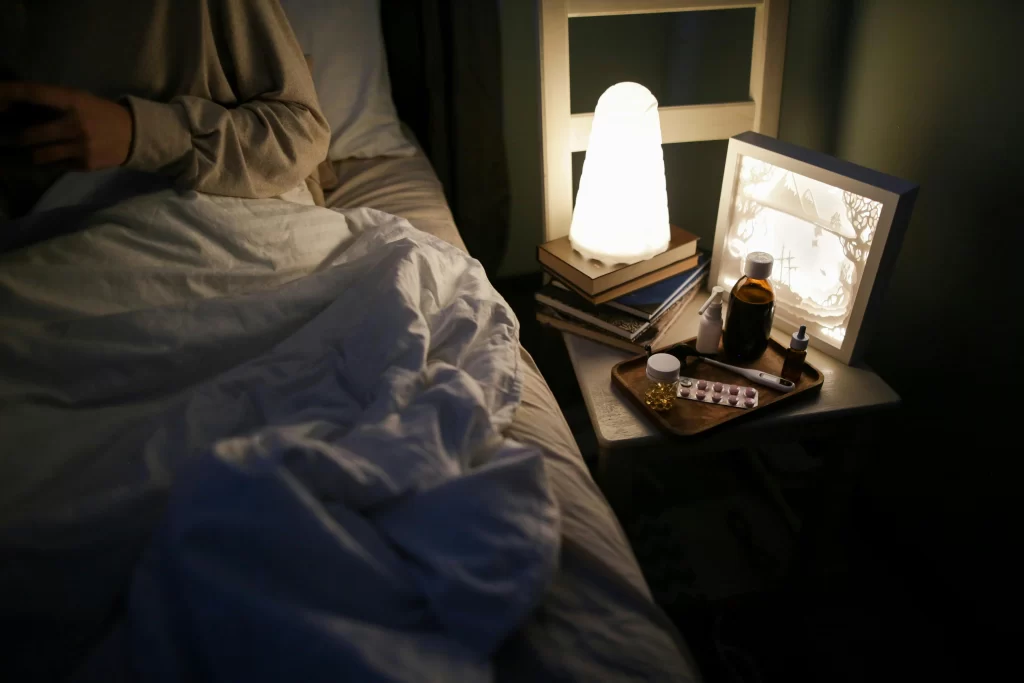
While self-help tools are valuable, frequent or severe anxiety attacks may indicate a need for professional care. If you find that anxiety is interfering with daily life, relationships, sleep, or work, it’s wise to reach out to a qualified therapist or psychiatrist.
Mental-health professionals can offer tailored strategies, assess for underlying conditions (e.g., panic disorder, generalized anxiety disorder), and provide interventions like cognitive behavioural therapy (CBT) or medication if needed.
Final Thoughts
An anxiety attack doesn’t have to feel like something you’re powerless against. With practice, you can build a set of tools, breathing, grounding, movement, and visualisation, that empower you to calm yourself in the moment. Each technique won’t erase the anxiety entirely, but it helps you ride the wave instead of being drowned by it.
Remember: you’re not broken. Your body is sending old signals in a new context. With patience, awareness, and self-kindness, you can learn to respond differently and calm your nervous system instead of being controlled by it.
If you’re struggling with anxiety attacks and want support from a licensed professional, reach out to Psychological Healing Company. Our team of experienced Lyra Therapists offers compassionate, evidence-based care, whether you’re dealing with occasional panic or chronic anxiety.
Contact Psychological Healing today and take your next step toward a calmer, more balanced life.
Feel free to check out our social media links below:
Check out our related articles below: