7 Natural Remedies to Help Control Anxiety Attacks
How to Control Anxiety Attacks Naturally? For anyone who has experienced the sudden rush of fear, a pounding heartbeat, or the overwhelming sense that something terrible is about to happen, this question feels urgent. Anxiety attacks, often called panic attacks, can be incredibly distressing. While medication is an option for some, many people prefer natural methods to manage their symptoms, either to avoid side effects or to develop long-term coping strategies.
The encouraging news is that there are effective, natural ways to calm anxiety attacks and reduce how often they occur. By combining lifestyle changes, relaxation techniques, and holistic remedies, you can take back a sense of control.
What Is an Anxiety Attack?

An anxiety attack is a sudden episode of intense fear or discomfort. It often comes with physical symptoms that mimic serious medical issues, which is why many people mistake their first attack for a heart problem.
Common symptoms of an anxiety attack include:
- Rapid heartbeat or chest tightness
- Shortness of breath or hyperventilation
- Sweating or trembling
- Dizziness, nausea, or stomach upset
- Tingling in the hands or feet
- A sense of detachment from reality
- Overwhelming fear of losing control or dying
While the experience feels dangerous, anxiety attacks are not life-threatening. Recognizing them for what they are is the first step toward regaining calm.
Causes of Anxiety Attacks
Anxiety attacks can be triggered by a range of factors. For some, they arise after periods of intense stress, trauma, or major life changes. Others may be more biologically predisposed due to family history or imbalances in brain chemistry.
Lifestyle habits such as excessive caffeine, poor sleep, or lack of exercise can also increase vulnerability. Even seemingly harmless situations, like being in a crowded room or misinterpreting normal body sensations, can act as triggers.
Understanding your own triggers makes it easier to choose the right natural coping tools.
1. Deep Breathing and Relaxation Techniques
One of the fastest natural ways to calm an anxiety attack is through controlled breathing. During an attack, the body shifts into fight-or-flight mode, which speeds up breathing and creates a cycle of panic. By slowing your breath, you can interrupt that cycle.
A simple method is the 4-7-8 technique: breathe in through your nose for four seconds, hold your breath for seven seconds, and exhale slowly for eight seconds. This calms the nervous system and signals the brain that the danger has passed. Pairing breathing with progressive muscle relaxation—tensing and then releasing different muscle groups—can further reduce physical tension.
2. Mindfulness and Meditation
Mindfulness is the practice of staying present in the moment rather than letting your thoughts spiral into “what ifs.” During an anxiety attack, focusing on your breath, the feeling of your feet on the ground, or the sound of nearby noises can anchor you to reality.
Meditation, practiced regularly, reduces overall anxiety levels by training the brain to respond less reactively to stress. Apps, guided recordings, or even short five-minute sessions can help build this habit.
3. Herbal and Natural Supplements
Some people find relief from anxiety through herbal remedies, though it is always important to consult a doctor before starting any supplement. Popular options include:
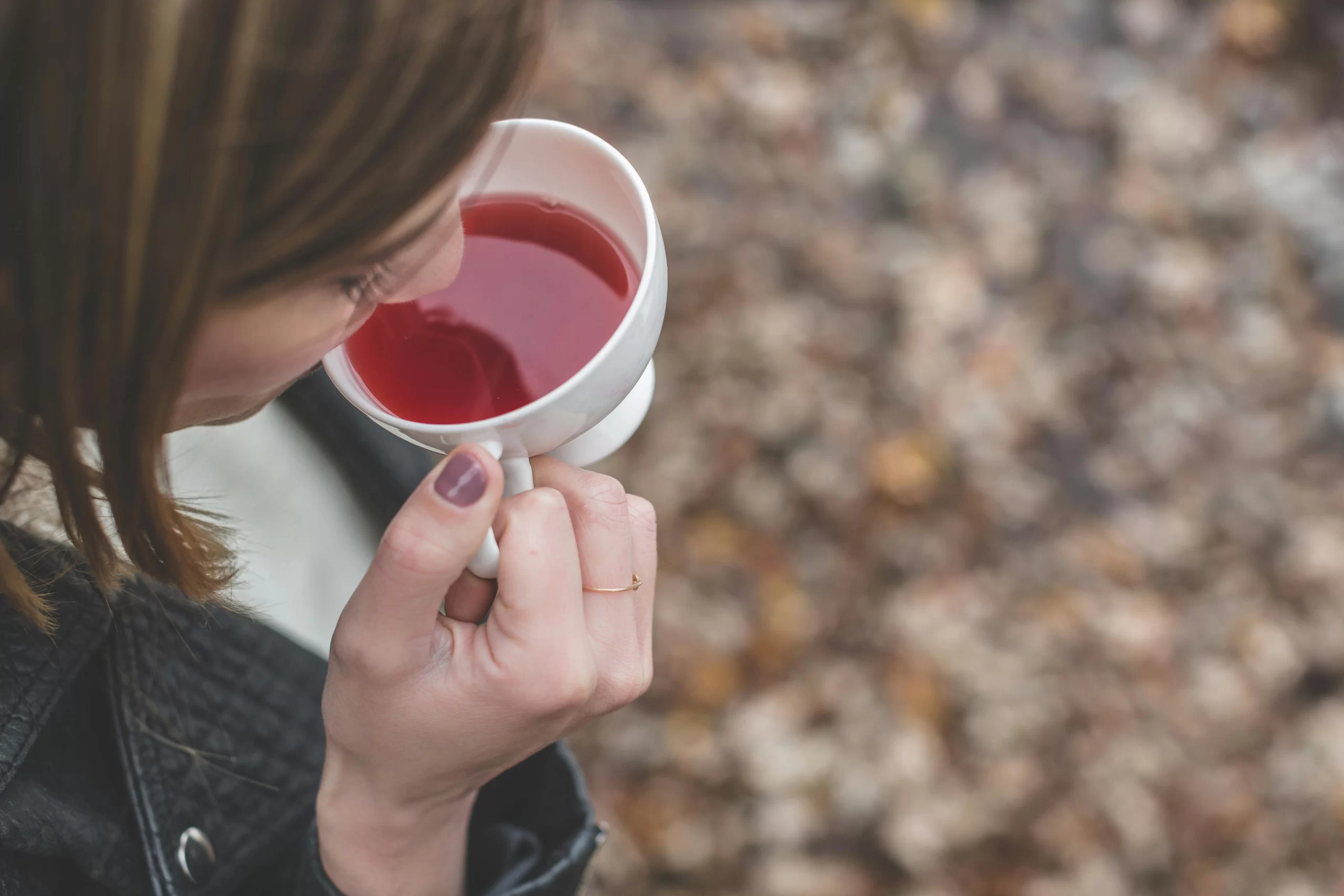
- Chamomile tea, known for its calming properties.
- Lavender, often used in oils or capsules to reduce nervous tension.
- Passionflower and valerian root, sometimes recommended for relaxation and better sleep.
- Omega-3 fatty acids, which support brain health and mood regulation.
While these remedies are not a cure-all, they can complement other anxiety management techniques.
4. Exercise and Physical Activity
Physical movement is one of the most powerful natural remedies for anxiety. Exercise lowers stress hormones like cortisol while releasing endorphins, the body’s natural mood boosters.
You don’t have to run marathons to benefit. Activities like walking, yoga, dancing, or swimming all help release pent-up tension and improve sleep. Making movement a daily habit builds resilience against future anxiety attacks.
5. Journaling and Cognitive Reframing
Writing down your thoughts during or after an anxiety attack can help release them from your mind. Journaling also makes it easier to spot patterns and triggers over time.
Pair journaling with cognitive reframing—challenging irrational thoughts and replacing them with more balanced ones. For example, instead of thinking “I’m going to faint,” you might remind yourself, “This is just my body’s anxiety response, and it will pass.” Over time, this practice weakens the fear cycle that fuels attacks.
6. Diet and Lifestyle Adjustments
What you put into your body plays a big role in how you experience anxiety. Caffeine and sugar can make symptoms worse by mimicking the jittery sensations of an attack. Alcohol, while it may feel calming at first, can disrupt sleep and worsen anxiety long-term.
Focusing on a balanced diet rich in whole grains, fruits, vegetables, lean proteins, and omega-3s can support brain and body health. Staying hydrated and maintaining a consistent sleep routine further reduces vulnerability.
7. Grounding Techniques in the Moment
When an anxiety attack feels overwhelming, grounding techniques can pull your attention back to the present. One popular method is the 5-4-3-2-1 exercise: name five things you see, four things you feel, three things you hear, two things you smell, and one thing you taste.
This practice interrupts racing thoughts and reminds you that you are safe in the present moment. Combining grounding with slow breathing can stop an anxiety attack from spiraling further.
Managing Anxiety Attacks in Daily Life

Natural remedies are not just for stopping anxiety in the moment. When practiced consistently, they lower overall stress and reduce how often attacks occur. Creating daily routines around sleep, exercise, mindfulness, and healthy eating builds resilience.
Staying connected with supportive friends or joining a group for people who experience anxiety can also make a difference. Sharing your experience reduces isolation and provides encouragement.
When to Seek Professional Help
While natural remedies are effective for many, some people need additional support. If anxiety attacks are frequent, severe, or interfere with daily responsibilities, professional therapy can provide structure and personalized strategies. Cognitive Behavioral Therapy (CBT) is particularly effective, helping people challenge negative thought patterns and build confidence.
Working with a therapist does not mean giving up natural approaches. Instead, therapy can help you strengthen those methods and tailor them to your specific needs.
Final Thoughts
So, how do you control anxiety attacks naturally? By combining tools like deep breathing, mindfulness, exercise, journaling, and dietary adjustments, you can manage both the symptoms of anxiety attacks and the triggers that cause them. These natural remedies not only bring relief in the moment but also build long-term resilience.
If anxiety is taking over your life, you do not have to manage it alone. Psychological Healing’s Optum Therapist experts specialize in evidence-based and holistic approaches that empower people to overcome anxiety without relying solely on medication. With the right guidance, you can build habits that bring calm, clarity, and confidence back into your daily life. Contact us today!
Feel free to check out our social media links below:
Check out our related articles below: