How to Recover From an Anxiety Attack and Regain Your Calm
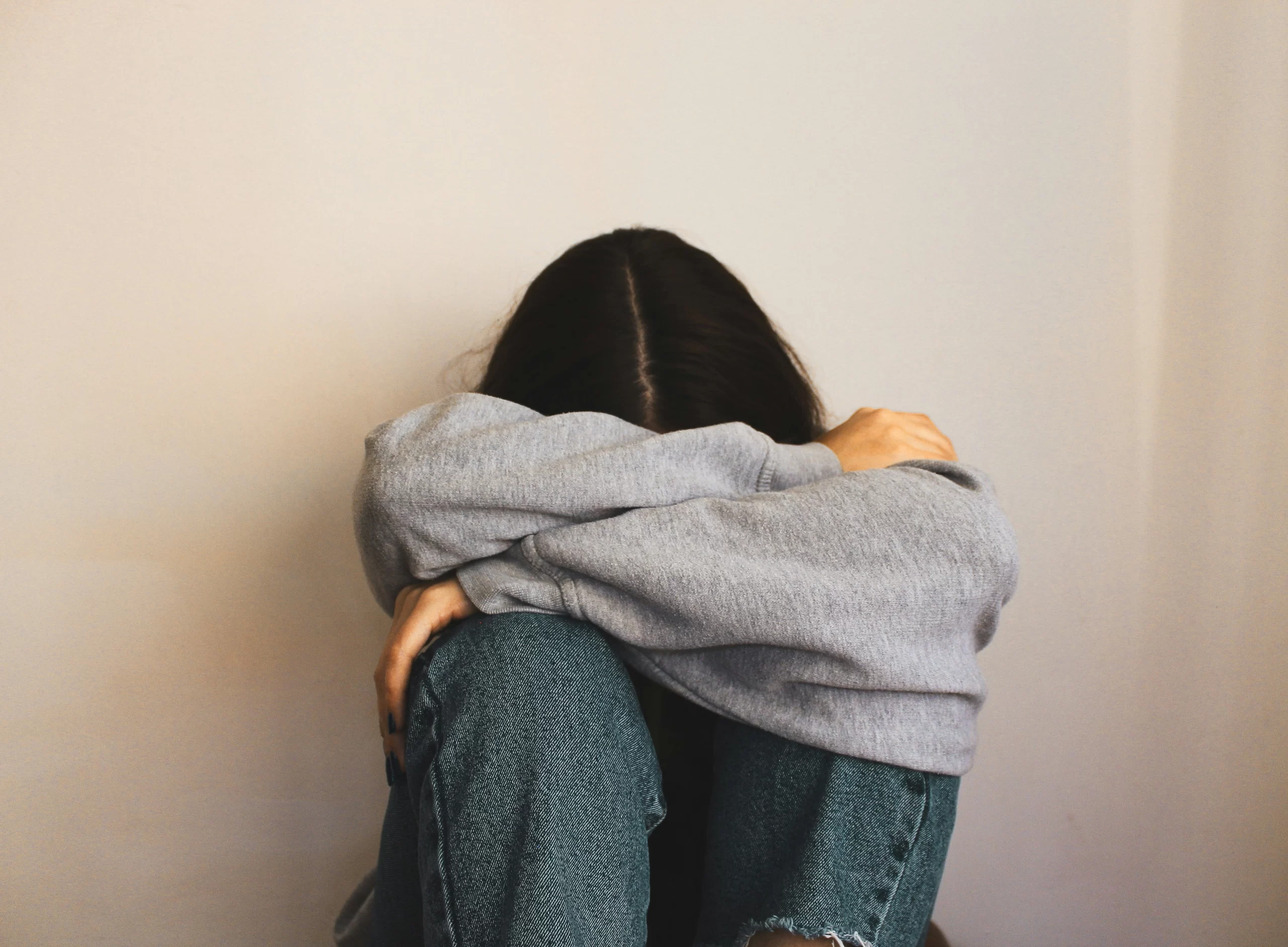
If you’ve ever wondered how to get over anxiety attacks, you’re not alone. These episodes can be intense and unsettling, leaving you feeling physically drained and emotionally shaken. Your heart may race, your breathing may feel tight, and your thoughts can spiral into worst-case scenarios. In the middle of an attack, it can feel like it will never end, but the truth is, there are ways to bring yourself back to a calmer, more grounded state.
In this guide, we’ll walk through practical steps you can take during an anxiety attack, ways to recover afterward, and habits that can reduce the likelihood of future episodes. We’ll also look at the number one habit that fuels anxiety and how to replace it with something healthier. Whether you experience anxiety attacks regularly or have only faced them a few times, these strategies can help you feel more in control and more confident.
How to Get Over Anxiety Attacks?
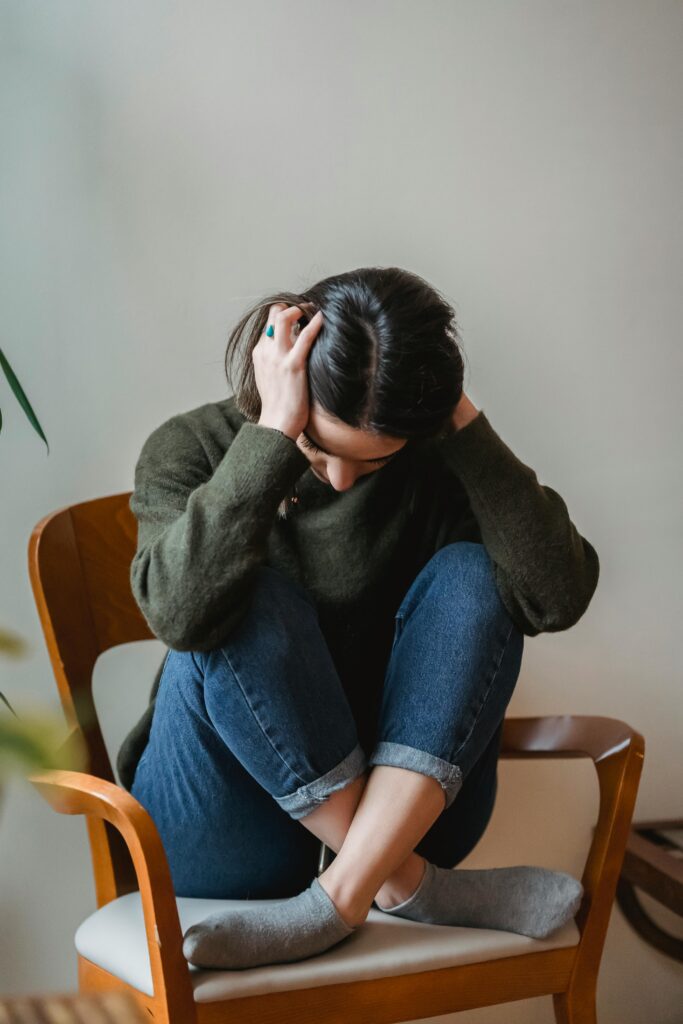
Before diving into the techniques, it’s important to remember that anxiety attacks, while overwhelming, are temporary. They will pass, and your body is designed to return to a calmer state. The key is to help your system along, rather than fighting against it.
One of the first and most effective steps is to focus on your breathing. Controlled breathing helps counteract the rapid, shallow breaths that often come with anxiety attacks. You might try inhaling through your nose for a count of four, holding for four, and exhaling through your mouth for a count of six. This slows your heart rate and signals your body that you are safe.
From there, ground yourself in the present moment. Techniques like the 5-4-3-2-1 method, naming things you can see, touch, hear, smell, and taste, can pull your focus away from anxious thoughts and into the here and now.
Finally, remind yourself that the feelings will pass. Phrases like “I’ve felt this before and it eased” or “I am safe right now” can help shift your internal dialogue from panic to reassurance.
What Is an Anxiety Attack?
To handle anxiety attacks effectively, it helps to understand what they are. An anxiety attack is a period of intense worry, fear, or discomfort that comes on suddenly and can last anywhere from a few minutes to over an hour. Unlike panic attacks, which tend to appear abruptly, anxiety attacks often build in response to a stressor or ongoing worry.
They can involve physical symptoms like:
- Rapid heartbeat
- Shortness of breath
- Sweating or chills
- Trembling or shaking
- Nausea or stomach discomfort
- Dizziness or lightheadedness
They can also include emotional symptoms, such as:
- A feeling of dread or impending doom
- Racing thoughts
- Difficulty concentrating
These reactions occur because your body’s fight-or-flight system has been triggered. Stress hormones flood your system, preparing you to respond to danger. While this is useful in actual emergencies, it can feel overwhelming and out of place when triggered by non-life-threatening situations like a tense meeting or a difficult conversation.
Knowing this can help you feel less confused or fearful when symptoms appear, because you’ll understand what’s happening in your body and why.
Immediate Steps to Calm Down During an Anxiety Attack
When an anxiety attack strikes, it can feel like your mind and body are in overdrive. Rather than trying to “power through,” the best approach is to slow everything down and create a sense of safety for yourself.
Here are some effective strategies you can use right away:
- Grounding Techniques
Try the 5-4-3-2-1 method to engage your senses:
- 5 things you can see
- 4 things you can touch
- 3 things you can hear
- 2 things you can smell
- 1 thing you can taste
This simple exercise can pull you out of your racing thoughts and anchor you in the present moment.
- 5 things you can see
- Controlled Breathing
Deep, steady breathing helps slow your heart rate and relax tense muscles. One option is box breathing: inhale for 4 seconds, hold for 4 seconds, exhale for 4 seconds, hold for 4 seconds, and repeat several times. - Progressive Muscle Relaxation
Focus on one muscle group at a time. Tense it for about 5 seconds, then release. Move from your feet upward until you’ve relaxed your entire body. - Change Your Environment
If possible, step into a quieter or less stimulating space. Sometimes reducing noise and visual distractions is enough to help your nervous system settle down. - Use a Calming Phrase
Quietly repeat something reassuring, such as “This will pass” or “I am safe.” This can help shift your internal dialogue away from panic.
These steps won’t necessarily stop an anxiety attack instantly, but they can shorten its duration and make it feel more manageable.
How to Recover Emotionally After an Anxiety Attack
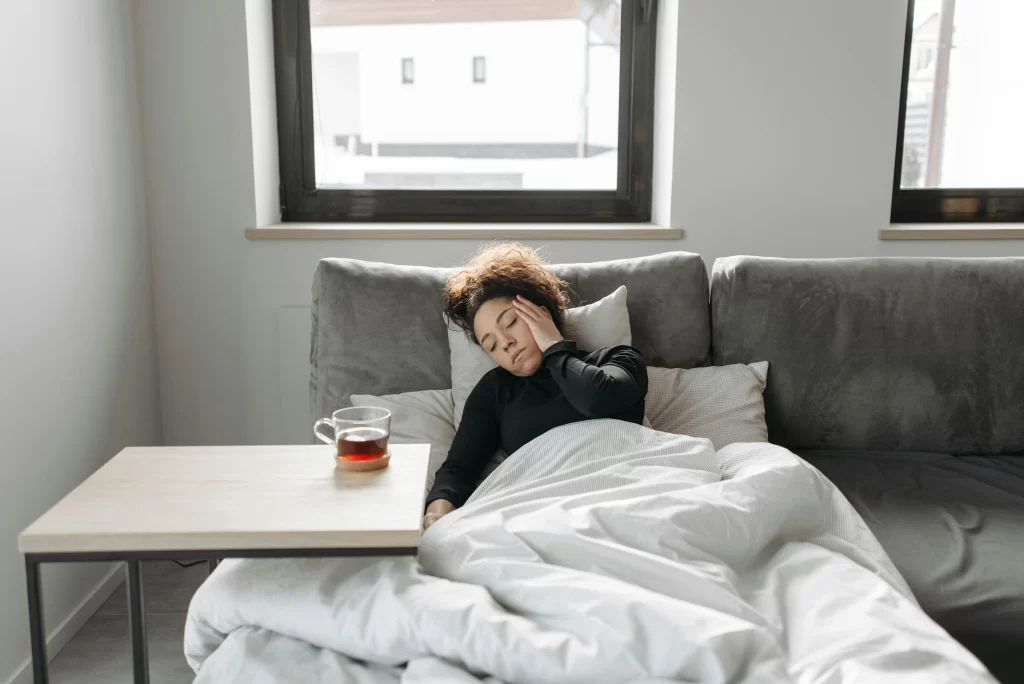
Even once the physical sensations fade, anxiety attacks can leave an emotional “aftershock.” You might feel exhausted, unsettled, or even embarrassed about what happened. This is why recovery is more than just waiting for symptoms to stop; it’s about actively caring for yourself afterward.
Here are some ways to take care of yourself afterward:
- Acknowledge What Happened
Accept that the attack occurred without judging yourself for it. Anxiety attacks are a response to stress, not a personal weakness. - Identify Possible Triggers
If you can, jot down what you were thinking, feeling, or doing before the attack began. Over time, this can help you spot patterns and prepare for similar situations in the future. - Talk to Someone You Trust
Sharing your experience with a friend, family member, or therapist can help you feel less alone and more supported. - Hydrate and Eat Something Light
Anxiety can leave you dehydrated or low on energy. A glass of water and a small snack—like fruit or whole-grain toast—can help stabilize your body. - Rest and Reset
Give yourself permission to take a break. This could mean lying down in a quiet space, taking a warm shower, or doing a calming activity like reading or listening to gentle music.
Emotional recovery isn’t just about “bouncing back.” It’s about caring for yourself in a way that reinforces your sense of safety and stability.
Long-Term Strategies to Reduce Anxiety Attacks
While it’s important to know what to do during and after an anxiety attack, building habits that reduce your baseline anxiety can make a huge difference in preventing them.
Start by identifying and managing triggers. Keep a journal of when attacks occur, what you were doing, and how you felt beforehand. You may notice patterns such as certain environments, lack of sleep, or stressful conversations that consistently set off symptoms.
Incorporating mindfulness practices into your routine can help keep anxiety levels lower overall. Meditation, yoga, or even mindful walking can train your brain to stay in the present instead of spiraling into “what if” thinking.
Regular physical activity also plays a role. Exercise releases endorphins and helps regulate stress hormones, making your body less reactive to anxiety triggers.
Don’t underestimate the importance of nutrition and sleep. Eating balanced meals and aiming for 7–9 hours of rest each night supports your nervous system’s ability to cope with stress.
Finally, limit stimulants and depressants like caffeine, alcohol, and nicotine, as these can heighten anxiety symptoms or disrupt sleep, making attacks more likely.
What is the #1 Worst Habit for Anxiety?
If there’s one habit that consistently worsens anxiety, it’s avoidance. This is when you steer clear of situations, people, or activities that trigger anxious feelings. While it might feel like you’re protecting yourself, avoidance actually strengthens anxiety over time.
For example, if you skip social gatherings because they make you nervous, your comfort zone shrinks. The next time you’re invited somewhere, the idea of going feels even more overwhelming. The same can happen with work tasks, travel, or public speaking.
Avoidance keeps you from learning that you can handle discomfort and that your fears often don’t come true. Breaking this habit involves gradual exposure facing triggers in small, manageable steps so you can build confidence and reduce your anxiety’s hold.
Self-Care and Building Emotional Resilience
Anxiety management isn’t just about crisis moments; it’s about how you care for yourself daily. Strong self-care habits create a buffer that makes you less vulnerable to anxiety attacks.
Set healthy boundaries to protect your time and energy. This might mean saying no to extra responsibilities when you’re already stretched thin. Practice self-compassion by treating yourself with the same kindness you’d offer a friend going through a tough time.
Engage in activities that bring you joy, whether that’s painting, hiking, cooking, or spending time with loved ones. These positive experiences can counterbalance stress.
Consider creating a calm toolkit, a collection of items and practices that soothe you, such as a favorite playlist, scented candle, journal, or guided meditation app.
Lastly, stay connected with people who uplift you. A strong support system can offer encouragement and perspective when anxiety feels overwhelming.
When to Seek Professional Help
Sometimes, even with solid coping skills, anxiety attacks may still feel unmanageable. If attacks are frequent, severe, or disrupting your daily life, it’s worth seeking professional guidance.
You might benefit from therapy if you:
- Experience multiple anxiety attacks per week
- Avoid important activities because of fear
- Struggle to sleep, eat, or concentrate due to anxiety
- Feel constant, uncontrollable worry
- Have physical symptoms that cause distress or interfere with daily functioning
Cognitive Behavioral Therapy (CBT) is one of the most effective treatments for anxiety. It focuses on identifying unhelpful thought patterns, developing healthier responses, and gradually facing fears in a safe, structured way.
If you’re in New Hampshire, Psychological Healing’s professional CBT Therapist New Hampshire can work with you to create a personalized plan for managing anxiety, reducing attacks, and restoring your sense of calm.
Bottom Line
Anxiety attacks may be intense, but they don’t have to control your life. By understanding what’s happening in your body, learning calming techniques, and building resilience through daily habits, you can take back a sense of control.
Remember, progress doesn’t happen overnight, but every small step counts. With time, the tools you practice will become second nature, making it easier to navigate challenges without spiraling into an attack.
If anxiety attacks are affecting your well-being, reach out to Psychological Healing’s professional CBT Therapist in New Hampshire. With expert guidance, you can learn strategies tailored to your needs, rebuild confidence, and move toward a calmer, more balanced life.
Feel free to check out our social media links below:
Check out our related articles below: