Why Do Panic Attacks Happen at Night? The Surprising Causes
What Causes Panic Attacks at Night? If you have ever woken up in the middle of the night with your heart racing, chest tightening, or gasping for breath, you are not alone. These sudden episodes, often called nocturnal panic attacks, can feel terrifying. Unlike nightmares that fade once you wake up, panic attacks jolt you awake with intense fear and physical symptoms.
Although they may feel mysterious, nighttime panic attacks share many of the same roots as daytime ones. They can be triggered by a mix of biology, psychology, and lifestyle habits. The good news is that they are not life-threatening, and with the right strategies and treatments, they can be managed.
What Are Nocturnal Panic Attacks?
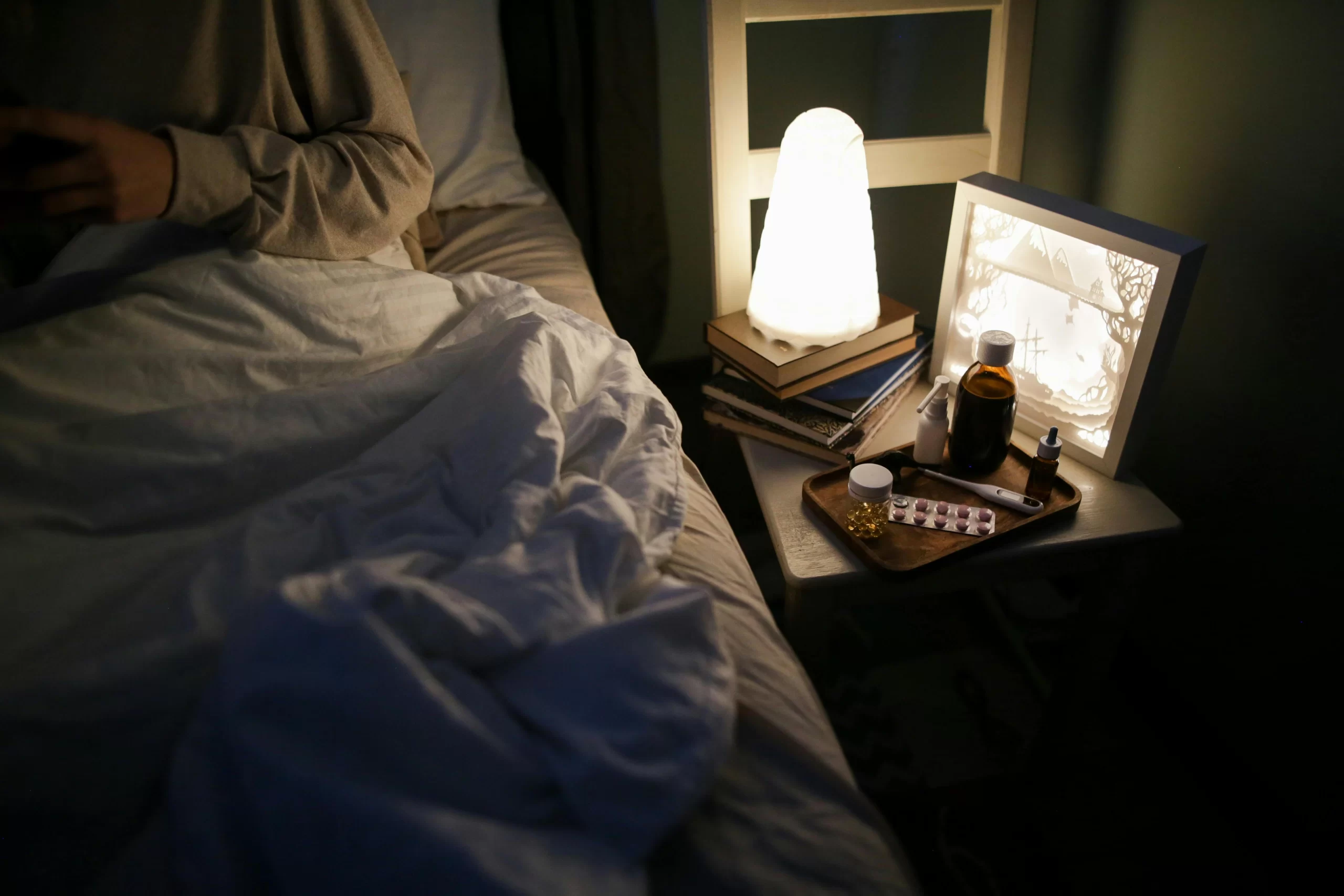
A nocturnal panic attack is a panic attack that occurs during sleep, often waking a person suddenly in the middle of the night. The symptoms mirror those of daytime panic attacks: rapid heartbeat, shortness of breath, sweating, trembling, chest discomfort, and overwhelming fear. The key difference is timing.
It is also important to separate nocturnal panic attacks from night terrors. Night terrors usually occur in children, involve screaming or thrashing, and are not remembered upon waking. Panic attacks, by contrast, are vividly experienced and often leave the person shaken long after the episode ends.
How Common Are Panic Attacks at Night?
Research suggests that a significant number of people with panic disorder also experience panic attacks at night. While exact statistics vary, studies indicate that around 40 to 70 percent of individuals with panic disorder will experience them at some point. Because they happen during sleep, many people underreport them, assuming they are linked to bad dreams or physical health problems.
The reality is that panic attacks at night are common, and recognizing them is the first step to reducing fear and finding relief.
Biological Causes of Panic Attacks at Night
One of the main causes of panic attacks lies in biology. Genetics plays a role, as panic disorders tend to run in families. If you have a close relative with panic disorder or anxiety, your chances of experiencing nocturnal panic attacks increase.
Brain chemistry is another factor. Neurotransmitters like serotonin and norepinephrine regulate mood and stress responses. When these chemicals are imbalanced, the brain may overreact to normal changes during sleep, such as slower breathing or shifting heart rhythms.
The amygdala, a part of the brain responsible for fear responses, may also be more active in people who experience panic. This heightened sensitivity means that even minor physical sensations during the night can trigger a full-blown attack.
Psychological Causes and Triggers
Psychological factors often spill over into the night. Daytime stress does not simply disappear when you go to bed. If you are carrying unresolved worries about work, finances, or relationships, your body may release stress hormones while you sleep, leading to sudden anxiety and panic.
Trauma or post-traumatic stress disorder can also contribute. People with PTSD may be more likely to wake suddenly with panic, especially if their sleep is already disturbed by nightmares or flashbacks. Negative thought patterns, such as catastrophizing or going to bed worrying about panic attacks, can create a cycle where fear itself becomes a trigger.
Lifestyle and Environmental Triggers
Daily habits and environment have a big influence on panic attacks at night. Caffeine, alcohol, and even heavy meals before bed can make the body restless, increasing the chances of waking up anxious. Poor sleep hygiene, such as late-night screen time or irregular bedtimes, can throw off your circadian rhythm, making panic more likely.
Underlying medical issues like sleep apnea, acid reflux, or heart irregularities can also mimic panic symptoms. When your body senses distress during sleep, it may trigger an anxiety response, which escalates into a panic attack. Recognizing and addressing these physical conditions is key to managing nocturnal panic.
Why Panic Attacks Feel Worse at Night
Many people describe nighttime panic attacks as even more frightening than those during the day. One reason is the lack of distractions. In the quiet of the night, physical sensations such as a racing heart or shallow breathing can feel magnified. With nothing else to focus on, the mind fixates on the symptoms, intensifying the fear.
Another reason is that the body naturally goes through changes at night. Heart rate slows, breathing deepens, and body temperature drops. These normal shifts can sometimes be misinterpreted by an anxious brain as signs of danger, triggering panic. Waking suddenly from deep sleep also leaves the body disoriented, making the attack feel more intense.
How to Manage Nighttime Panic Attacks
While panic attacks at night can feel unpredictable, there are steps you can take to reduce their frequency and manage them when they occur.
Developing a calming bedtime routine can make a big difference. Activities like reading, gentle stretching, or practicing relaxation exercises before sleep can help quiet the nervous system. Breathing techniques, such as slow diaphragmatic breathing, can stop an attack from escalating once it starts. Grounding exercises, like focusing on the texture of your sheets or the feeling of your feet against the floor, can bring your mind back to the present.
Journaling before bed is another helpful tool. Writing down worries allows your brain to release them instead of carrying them into sleep. Creating a sleep-friendly environment by keeping the bedroom cool, dark, and free from distractions also lowers the risk of panic.
Panic Attack Treatments
For people who experience frequent nocturnal panic attacks, professional treatment can provide lasting relief. Cognitive Behavioral Therapy (CBT) is considered the most effective approach. It helps individuals challenge negative thought patterns and reduce the fear cycle that fuels panic. Exposure therapy may also be used, gradually helping people face the sensations or situations linked to panic without fear.
Medications such as SSRIs or SNRIs can balance brain chemistry, while short-term anti-anxiety medications may help during particularly difficult periods. Holistic approaches like mindfulness meditation, yoga, and regular exercise also support long-term recovery by calming the nervous system.
When to Seek Professional Help
It is normal to feel shaken after a panic attack, especially at night. But if they happen often, interfere with sleep, or cause you to avoid going to bed out of fear, it may be time to seek professional help. Left untreated, nocturnal panic attacks can contribute to insomnia, daytime fatigue, and heightened anxiety during the day.
Reaching out to a therapist or medical professional ensures you get the right diagnosis and treatment plan. The sooner you address the problem, the sooner you can return to restful nights.
Final Thoughts
So, what causes panic attacks at night? The answer is not simple. Genetics, brain chemistry, stress, lifestyle habits, and health conditions all play a part. At night, when distractions are gone and the body is naturally slowing down, panic attacks can feel even more intense.
The good news is that they are treatable. With therapy, lifestyle changes, and professional support, you can regain peaceful sleep. If you are struggling with nocturnal panic attacks, Psychological Healing’s Therapist California experts are here to help. Our evidence-based treatments are designed to break the cycle of fear and give you the tools to take control of your nights again. Get in touch with our experts at Psychological Healing now!
Feel free to check out our social media links below:
Check out our related articles below: