

What Is Separation Anxiety in Adults? Symptoms and Causes Explained
What Is Separation Anxiety Disorder in Adults? When most people hear the term separation anxiety, they think of children clinging to parents on the first day of school. While it is true that separation anxiety often begins in childhood, adults can experience it too. In fact, separation anxiety disorder in adults is more common than many realize, and it can affect relationships, careers, and overall well-being.
Separation anxiety in adults is characterized by extreme worry or distress when away from loved ones, partners, or other attachment figures. It goes beyond missing someone—it can trigger physical symptoms, overwhelming thoughts, and even avoidance behaviors that interfere with daily life. Understanding the causes, symptoms, and treatment options is the first step toward finding relief.
What Is Separation Anxiety Disorder in Adults?
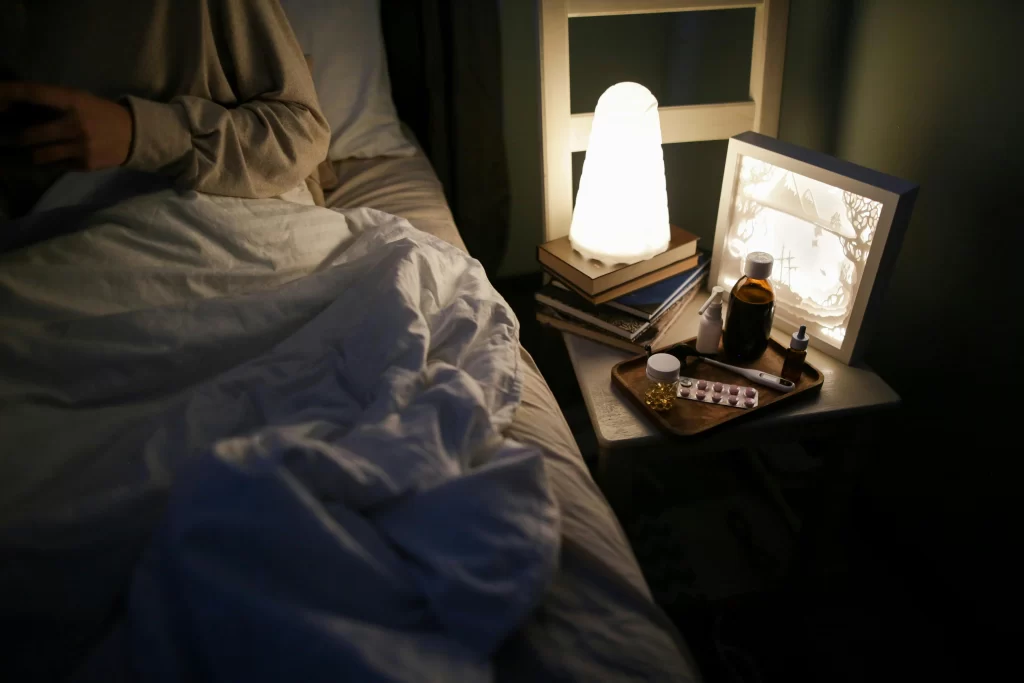
Separation anxiety disorder is defined as an intense and persistent fear or distress about being apart from people you are deeply attached to. In children, this might mean refusing to go to school or sleep away from parents. In adults, it often looks like difficulty traveling without a partner, extreme worry about a loved one’s safety, or panic when faced with extended time apart.
This condition is recognized in the Diagnostic and Statistical Manual of Mental Disorders (DSM-5) as an anxiety disorder. To be diagnosed, symptoms must be excessive, last for at least six months, and significantly disrupt daily functioning. Unlike occasional worry or loneliness, separation anxiety disorder is persistent, distressing, and often tied to deeper emotional or psychological issues.
Separation Anxiety Symptoms in Adults
The symptoms of separation anxiety in adults can be both emotional and physical. They often extend beyond simple sadness or longing and can interfere with normal activities.
Emotional symptoms may include:
- Extreme fear of losing loved ones or something bad happening to them.
- Difficulty concentrating when separated from attachment figures.
- Intense guilt or worry when leaving someone behind.
- Feeling helpless or insecure without constant contact.
Physical symptoms may include:
- Racing heart, nausea, or sweating when anticipating separation.
- Trouble sleeping alone or nightmares about being abandoned.
- Headaches or stomachaches triggered by stress.
- Panic attacks when separated unexpectedly.
These symptoms can make everyday tasks—such as working late, traveling for business, or maintaining friendships—much more difficult.
Causes of Separation Anxiety in Adults
Like many mental health conditions, separation anxiety disorder does not have one single cause. Instead, it arises from a combination of biological, psychological, and environmental factors.
Biological influences may include genetic predisposition. Adults with family members who have anxiety disorders are more likely to develop separation anxiety. Brain chemistry also plays a role, particularly imbalances in serotonin and norepinephrine, which regulate mood and stress responses.
Psychological factors often trace back to childhood. Adults who experienced significant loss, neglect, or trauma early in life may carry unresolved attachment fears into adulthood. Stressful experiences in adult life, such as divorce, illness, or the death of a loved one, can also trigger separation anxiety.
Environmental factors include stressful life changes, high-pressure jobs, or long-distance relationships. Even modern technology—while helpful for staying connected—can fuel the condition by encouraging constant checking-in behaviors.
Separation Anxiety vs. Normal Worry

It is important to distinguish separation anxiety disorder from typical worry about loved ones. Missing your partner while they are away on a trip is normal. But if the worry becomes overwhelming, causes panic, or prevents you from functioning normally, it may point to separation anxiety disorder.
For example, it is natural to feel uneasy if a loved one is late getting home. However, if you immediately imagine worst-case scenarios, call them repeatedly, or feel unable to continue your evening until they arrive, these may be signs of something deeper.
Separation Anxiety Triggers in Adults
Certain triggers can make separation anxiety worse. These triggers vary depending on the individual ,but often include:
- Travel: Business trips, vacations, or even short absences can provoke intense worry.
- Work commitments: Long hours at the office or unpredictable schedules may create tension.
- Health concerns: If a loved one has an illness, fear of something happening to them can trigger anxiety.
- Life transitions: Moving to a new city, starting a new job, or becoming a parent can heighten attachment fears.
Understanding personal triggers helps adults anticipate and manage symptoms before they escalate into full-blown anxiety.
How Separation Anxiety Affects Relationships
Separation anxiety in adults can place strain on relationships. Constant worry about a partner’s safety may lead to overprotective behaviors, frequent calls, or resentment when the partner spends time apart. Friendships and family connections may suffer too, as the anxious person may avoid social events or isolate themselves.
In some cases, partners of those with separation anxiety may feel pressured, controlled, or overwhelmed. Over time, this dynamic can create tension that makes the anxiety worse. Recognizing these patterns is crucial for both individuals and couples working to build healthier relationships.
Separation Anxiety Therapy and Treatment Options
The good news is that separation anxiety disorder in adults is treatable. Therapy, lifestyle changes, and sometimes medication can all play a role in managing symptoms.
Cognitive Behavioral Therapy (CBT) is the most effective approach. CBT helps adults recognize and challenge irrational fears, gradually reducing the intensity of their anxiety. Exposure therapy, a technique within CBT, allows individuals to face separation gradually and safely, building confidence over time.
Medications such as SSRIs or SNRIs may be prescribed in some cases to stabilize mood and reduce anxiety symptoms. These are often used in combination with therapy for the best results.
Lifestyle strategies like practicing mindfulness, journaling, and establishing healthy routines also help. Relaxation exercises and grounding techniques can ease physical symptoms during stressful moments. Support from family, friends, and couples counseling can strengthen relationships while easing the burden of anxiety.
Living With Separation Anxiety in Adults
Living with separation anxiety disorder is challenging, but it does not have to define your life. By learning to recognize symptoms and triggers, adults can take proactive steps to manage their anxiety. Setting small goals—such as spending short periods apart from a partner—can help build resilience.
Support systems are essential. Talking openly about the condition with loved ones can reduce misunderstandings and strengthen trust. Professional help provides tools to break free from the cycle of fear, allowing adults to lead fuller and more independent lives.
Final Thoughts
So, what is separation anxiety disorder in adults? It is an anxiety condition characterized by intense fear and distress when apart from loved ones. The symptoms can be both emotional and physical, and the causes are often rooted in a mix of genetics, childhood experiences, and life stressors. While separation anxiety goes beyond normal worry, it is treatable with therapy, support, and lifestyle changes.
If you or someone you care about struggles with separation anxiety, seeking help can make all the difference. Psychological Healing’s CBT Therapist New Hampshire experts specialize in helping adults manage anxiety and rebuild confidence. With the right support, it is possible to reduce fear, improve relationships, and live a calmer, more balanced life.
You do not have to go through it alone. Help is available, and recovery is within reach. Contact us now!
Feel free to check out our social media links below:
Check out our related articles below: