
What Exactly Is a Panic Attack? Signs, Symptoms & What to Do
What Is a Panic Attack and What Are the Symptoms? It is a question many people ask after experiencing a sudden wave of fear that seems to come out of nowhere. Panic attacks can feel overwhelming, even life-threatening, especially when the body reacts with intense physical symptoms like a racing heart, chest tightness, or shortness of breath. The experience is so strong that many mistake their first panic attack for a heart attack or another medical emergency.
While panic attacks are frightening, understanding what they are and why they happen can make them less mysterious. With the right knowledge, people can recognize the signs, understand the causes, and take steps to manage or prevent them.
What Is a Panic Attack?

A panic attack is an episode of intense fear or discomfort that appears suddenly and peaks within minutes. These episodes are not always linked to an obvious danger or trigger. In fact, one of the most confusing aspects is that they can happen unexpectedly, even in calm situations.
Panic attacks are often associated with panic disorder, but they can also occur as part of other anxiety conditions, depression, or even in response to stressful events. They are not simply exaggerated stress reactions but involve both psychological and physical processes that push the body into a state of alarm.
What Do Panic Attacks Feel Like?
The experience of a panic attack can differ from person to person, but most describe it as a sudden, overwhelming rush of fear that feels uncontrollable. The body’s fight-or-flight system is activated, leading to a cascade of physical symptoms.
For many, a panic attack feels like being trapped in a situation they cannot escape. Even though there may be no real danger, the body reacts as though survival is at stake. This disconnect between reality and perception is what makes panic attacks so distressing.
Common Panic Attack Symptoms
Panic attack symptoms affect both the mind and body. They tend to appear abruptly and often leave people shaken long after the episode ends.
Some of the most common panic attack symptoms include:
- Racing or pounding heartbeat that may feel like a heart attack.
- Shortness of breath or a choking sensation that makes breathing feel difficult.
- Sweating and trembling, even in cool environments.
- Chest pain or tightness that can be mistaken for cardiac problems.
- Dizziness, lightheadedness, or faintness, often accompanied by nausea.
- Hot flashes or chills as the body reacts to perceived danger.
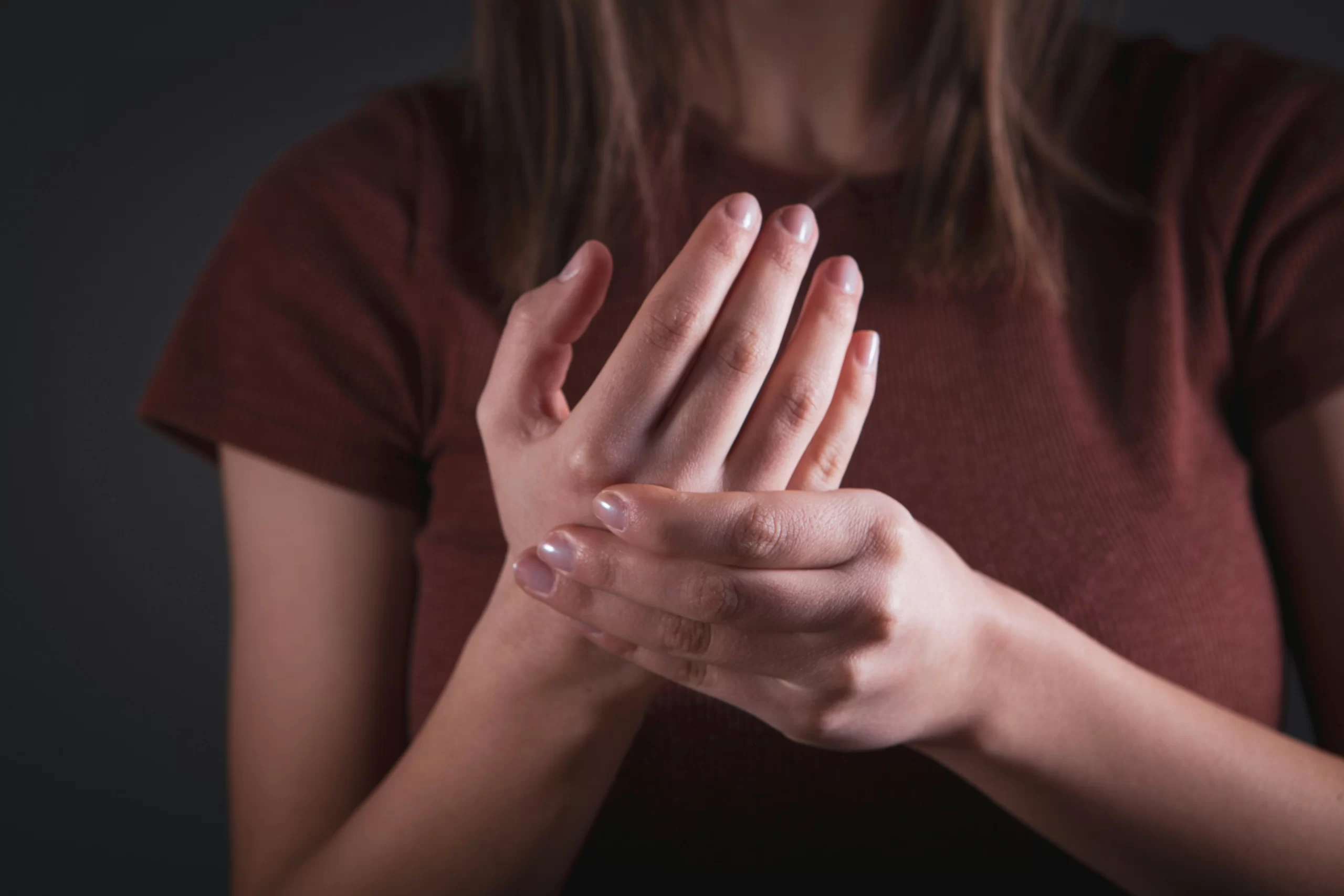
- Numbness or tingling in hands, feet, or face.
- A sense of detachment from reality or oneself, sometimes described as “watching yourself from outside.”
- Intense fear of losing control or dying, even when there is no actual risk.
These symptoms usually peak within 10 minutes and then begin to fade. However, the fear of experiencing another attack can linger, creating a cycle of worry that makes future attacks more likely.
Causes of Panic Attacks
There is no single cause of panic attacks. Instead, they usually arise from a combination of factors.
Biological influences play a role. Genetics can increase vulnerability, meaning panic disorder often runs in families. Brain chemistry also matters. Neurotransmitters like serotonin and norepinephrine help regulate mood and stress responses. If these systems are imbalanced, the brain may be more prone to panic.
Psychological factors are another piece of the puzzle. Stressful life events, trauma, or ongoing worry can prime the brain to overreact to normal physical sensations. Someone who has experienced one panic attack may begin to fear having another, which ironically makes future episodes more likely.
Environmental and lifestyle triggers also contribute. High caffeine or alcohol use, poor sleep, and chronic stress can all make panic more likely. Underlying health issues such as thyroid problems, asthma, or heart conditions can mimic or worsen symptoms as well.
Panic Attack Triggers

Although panic attacks sometimes happen without warning, certain situations or experiences can increase the likelihood. For example, phobias such as fear of flying, heights, or enclosed spaces can set off attacks in triggering environments. Social stressors, such as public speaking or being in large crowds, are also common triggers.
Health anxiety can play a big role. A person who notices their heart racing after exercise may misinterpret it as a serious health problem, leading to a panic episode. Similarly, major life transitions—moving to a new city, starting a new job, or experiencing loss—can heighten overall anxiety, increasing vulnerability.
How Panic Attacks Differ From Anxiety Attacks
Many people confuse panic attacks with anxiety attacks. While they share similarities, there are important differences. Anxiety attacks generally build gradually, linked to ongoing stress or worry, and can last for hours. Panic attacks strike suddenly, peak quickly, and then taper off. Anxiety feels like a constant presence, while panic is more like a storm that arrives unexpectedly.
Recognizing the difference helps people understand what they are experiencing and guides them toward the right coping strategies.
Panic Attack Treatments
The good news is that panic attacks are treatable. Many people who struggle with them go on to live full and balanced lives once they find the right approach.
Cognitive Behavioral Therapy (CBT) is one of the most effective treatments. It helps people identify the thoughts and beliefs that fuel panic, teaching them to respond differently when symptoms arise. Exposure therapy, a form of CBT, gradually helps people face feared sensations or situations so that panic loses its power.
Medications can also help. Antidepressants such as SSRIs or SNRIs regulate brain chemistry, reducing the frequency and intensity of attacks. In some cases, short-term anti-anxiety medications are used for immediate relief. Lifestyle changes are equally important. Regular exercise, mindfulness, deep breathing, and reducing stimulants like caffeine can all help the body handle stress more effectively.
Living With Panic Attacks
Living with panic attacks can feel overwhelming, but awareness and proactive care make a huge difference. The first step is recognizing the symptoms for what they are: the body’s alarm system overreacting. By understanding the causes and triggers, people can begin to break the cycle of fear.
Support is also crucial. Talking openly with friends, family, or a therapist provides reassurance and reduces isolation. While it may take time and patience, recovery is absolutely possible. Every step—whether it is seeking therapy, practicing relaxation, or learning to face fears—builds resilience.
Final Thoughts
So, what is a panic attack, and what are the symptoms? In short, it is a sudden surge of overwhelming fear that comes with intense physical and emotional sensations. The causes are complex, involving genetics, brain chemistry, stress, and lifestyle factors. Triggers can include specific phobias, social stress, or even misinterpreting harmless physical sensations.
Although panic attacks can feel terrifying, they are treatable. With therapy, lifestyle adjustments, and sometimes medication, individuals can regain control and prevent panic from running their lives. If you are struggling with panic attacks, Psychological Healing’s CBT Therapist California experts can provide tailored, evidence-based strategies to help you manage symptoms and build confidence.
You do not have to face panic alone. Reaching out for support could be the first step toward calm and freedom.
Feel free to check out our social media links below:
Check out our related articles below: