Living With Anxiety Without Medication: What Works and What Doesn’t
Can You Control Anxiety Without Medication? For many people struggling with constant worry, racing thoughts, or physical symptoms like a pounding heart, the idea of managing anxiety without relying on prescriptions feels both appealing and intimidating. Medication can be life-changing for some, but others may want natural strategies, either because of side effects, personal preference, or a desire to focus on long-term habits that address the root of stress.
The good news is that there are proven, practical ways to manage anxiety without medication. From lifestyle changes to therapy and relaxation practices, people have many options to regain control over their mental health.
Understanding Anxiety
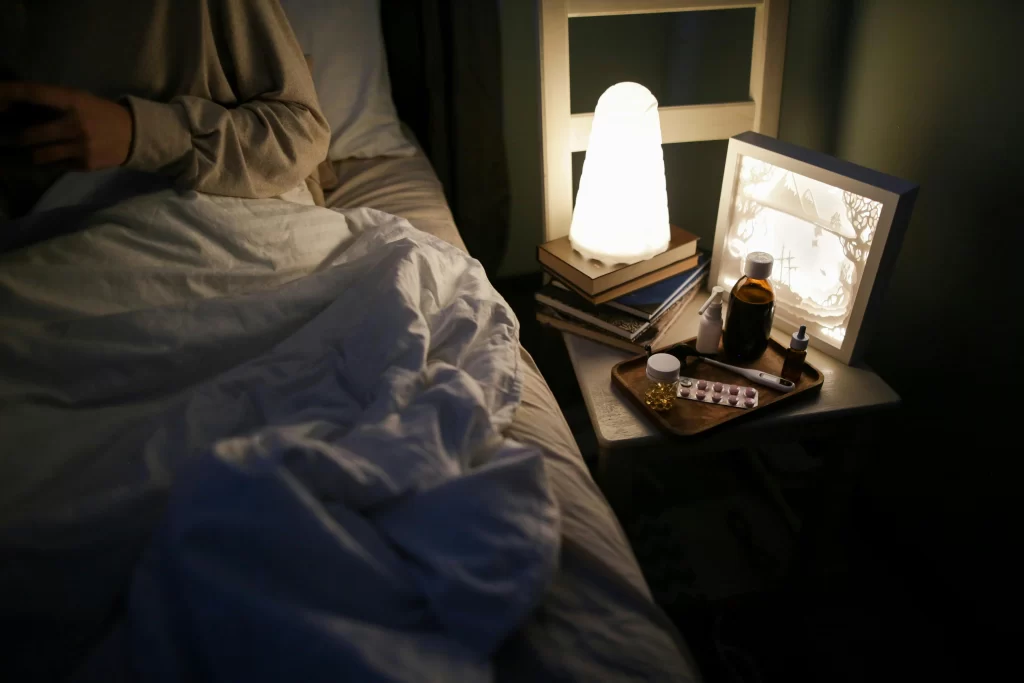
Anxiety is more than just stress or worry. It is the body’s natural response to perceived danger, whether real or imagined. While occasional anxiety is normal, persistent anxiety can interfere with daily life.
Common anxiety symptoms include:
- Restlessness and irritability
- Difficulty concentrating
- Muscle tension or trembling
- Racing heart and shortness of breath
- Sleep disturbances
- Persistent worry or intrusive thoughts
Anxiety is also an umbrella term for several conditions, known as types of anxiety disorders, such as generalized anxiety disorder (GAD), social anxiety disorder, panic disorder, and phobias. Each may require slightly different approaches, but all can benefit from non-medication treatments.
Anxiety and Stress: The Connection
Stress and anxiety are closely linked. Stress is usually triggered by external pressures like work deadlines or financial worries, while anxiety can continue even after the stressor is gone. Chronic stress increases the risk of developing an anxiety disorder, and anxiety, in turn, can make everyday stress feel overwhelming.
Learning to manage stress through healthier coping methods is a major step toward reducing anxiety without medication.
Why Some People Avoid Anxiety Medication
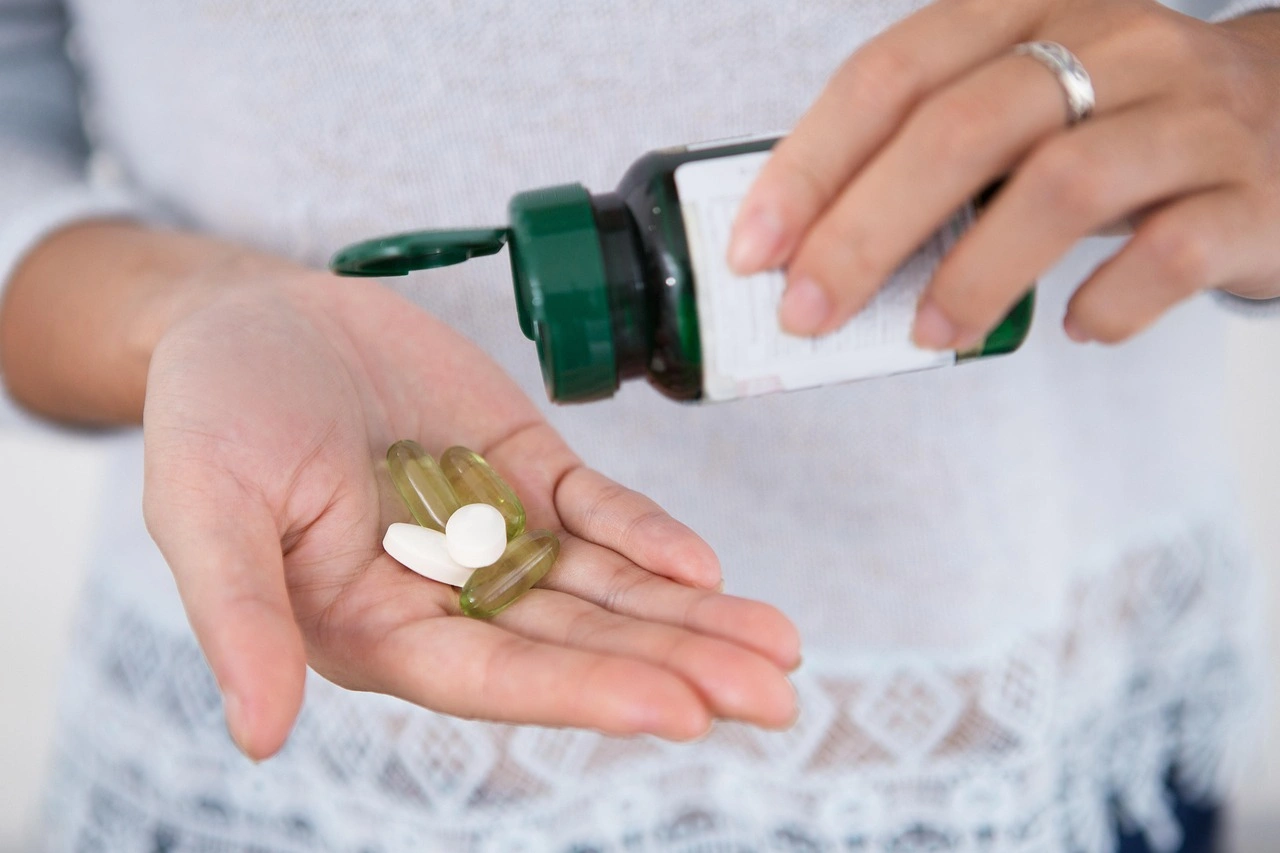
Anxiety medication, such as SSRIs, SNRIs, or benzodiazepines, can be helpful, but not everyone wants or needs to take them. Common reasons people avoid medication include:
- Concerns about side effects like weight gain, fatigue, or dependency.
- A preference for natural and holistic approaches.
- Past experiences where medication did not work as expected.
- Belief that therapy or lifestyle changes offer longer-lasting benefits.
For many, the ideal approach combines therapy and natural strategies first, with medication as a backup option if needed.
Natural and Holistic Ways to Control Anxiety
1. Therapy and Counseling
Therapy is one of the most effective treatments for anxiety without medication. Cognitive Behavioral Therapy (CBT) is the gold standard, helping people recognize unhelpful thought patterns and replace them with healthier ones. Other therapies, like Acceptance and Commitment Therapy (ACT) or exposure therapy, can also help.
2. Mindfulness and Meditation
Mindfulness involves staying present and observing thoughts without judgment. Regular meditation lowers stress hormones, slows racing thoughts, and builds resilience against anxiety. Even five to ten minutes a day can make a difference.
3. Breathing and Relaxation Techniques
When anxiety peaks, the body shifts into fight-or-flight mode. Deep breathing, progressive muscle relaxation, or guided imagery can reset the nervous system. Practices like yoga and tai chi combine movement with mindfulness, offering both physical and mental benefits.
4. Exercise
Exercise is a natural stress reliever. Aerobic activities like running, swimming, or cycling release endorphins that boost mood and reduce anxiety. Even daily walks or stretching can help regulate stress and improve sleep.
5. Diet and Nutrition
What you eat can affect your mental health. Diets rich in whole foods, lean proteins, fruits, vegetables, and omega-3 fatty acids support brain function. Reducing caffeine and sugar helps prevent spikes in nervous energy and irritability that mimic anxiety symptoms.
6. Sleep Hygiene
Poor sleep makes anxiety worse, and anxiety makes sleep harder—a vicious cycle. Creating a consistent bedtime routine, limiting screen time before bed, and keeping the bedroom cool and dark can improve rest and reduce anxiety.
7. Journaling and Self-Reflection
Writing down worries can help release them from your mind. Keeping a journal of triggers, thoughts, and feelings not only eases anxiety but also provides insight into patterns you may not notice otherwise.
How to Deal With Anxiety in Daily Life
Even with holistic approaches, anxiety may still flare up in daily situations. Knowing how to respond in the moment is key.
- Grounding techniques: Focus on your senses to anchor yourself in the present—notice five things you see, four you feel, three you hear, two you smell, and one you taste.
- Calm statements: Repeat phrases like “I am safe” or “This will pass” to remind yourself that the anxiety attack is temporary.
- Break tasks into steps: When anxiety makes responsibilities feel overwhelming, divide them into smaller, manageable actions.
- Stay connected: Talking to supportive friends or family reduces isolation and eases fear.
When Lifestyle Changes Aren’t Enough
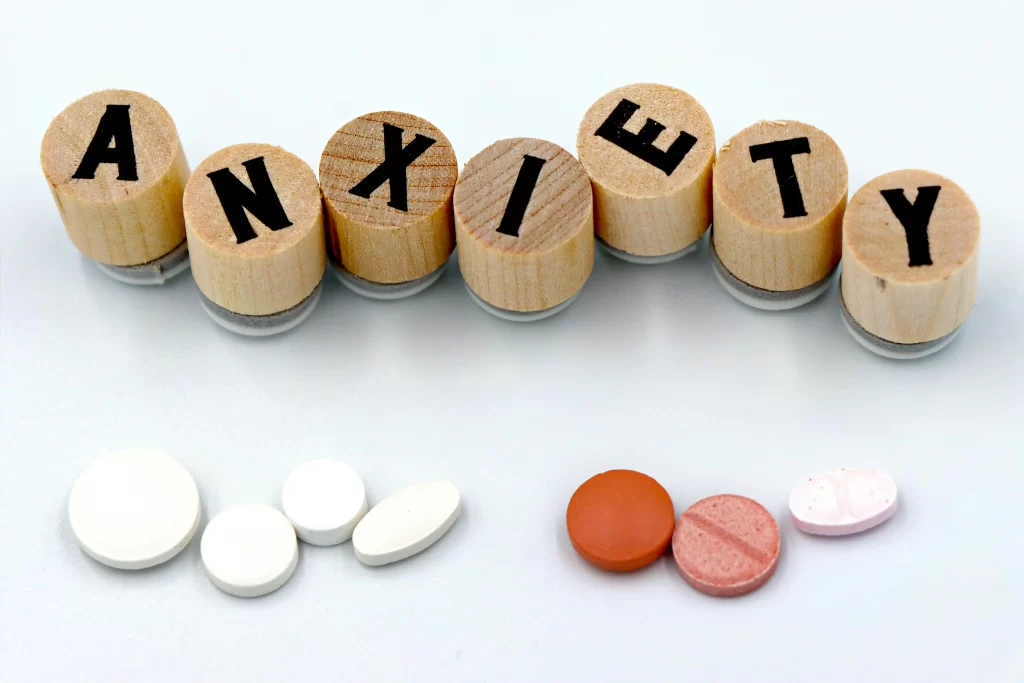
While many people manage anxiety without medication, others may need additional support. If anxiety is frequent, disabling, or paired with depression or panic attacks, professional help is crucial. A therapist can personalize strategies, and in some cases, medication may still be recommended as part of a broader treatment plan.
The important thing to remember is that choosing non-medication strategies does not mean you have to do it all on your own. Professional guidance makes holistic approaches more effective and sustainable.
Anxiety Treatment: Combining Approaches
Anxiety treatment works best when it is tailored to the individual. Some may find that therapy and mindfulness are enough. Others may need to combine exercise, diet changes, and stress management techniques. In more severe cases, medication may serve as a temporary tool while non-medication approaches are developed.
There is no one-size-fits-all solution, but the key is persistence. Consistent practice of healthy habits builds resilience over time, even if results are not immediate.
Living Well With Anxiety Without Medication
It is possible to live well with anxiety without relying on prescriptions. By adopting natural coping strategies, people can gain control over their symptoms, reduce the frequency of attacks, and improve their quality of life. Success often comes from small, daily habits rather than quick fixes.
The process requires patience, but with time, individuals can feel calmer, more confident, and better equipped to handle life’s challenges.
Final Thoughts
So, can you control anxiety without medication? The answer is yes. While medication may be the right choice for some, many people manage their symptoms through therapy, mindfulness, exercise, nutrition, and lifestyle changes. These approaches not only reduce anxiety but also build long-term resilience.
If anxiety is affecting your daily life, you do not have to face it alone. Psychological Healing’s Optum Therapist experts specialize in evidence-based, holistic treatments that help people manage anxiety without relying solely on prescriptions. With the right tools and support, you can take control of your mental health and live a calmer, more balanced life. Get in touch with our experts today!
Feel free to check out our social media links below:
Check out our related articles below: