
Is Teletherapy Effective?
Yes, for many people. Research suggests therapy by secure video is broadly comparable to in-person treatment for common concerns, including depression, anxiety, posttraumatic stress disorder (PTSD), and obsessive-compulsive disorder (OCD). Our licensed psychologists offer video sessions in 44 states.
What The Research Says
Research suggests that therapy by secure video is broadly comparable to in-person treatment for many common concerns(1,2), including depression, anxiety, posttraumatic stress disorder (PTSD), and obsessive-compulsive disorder (OCD). Studies also suggest that many people who complete therapy by video keep much of their progress after treatment ends, much like people who attend in person(1).
Teletherapy works well for many people, but it isn’t the best fit for every situation. Consider your own needs before you decide how to take part in therapy. The comparison below can help.
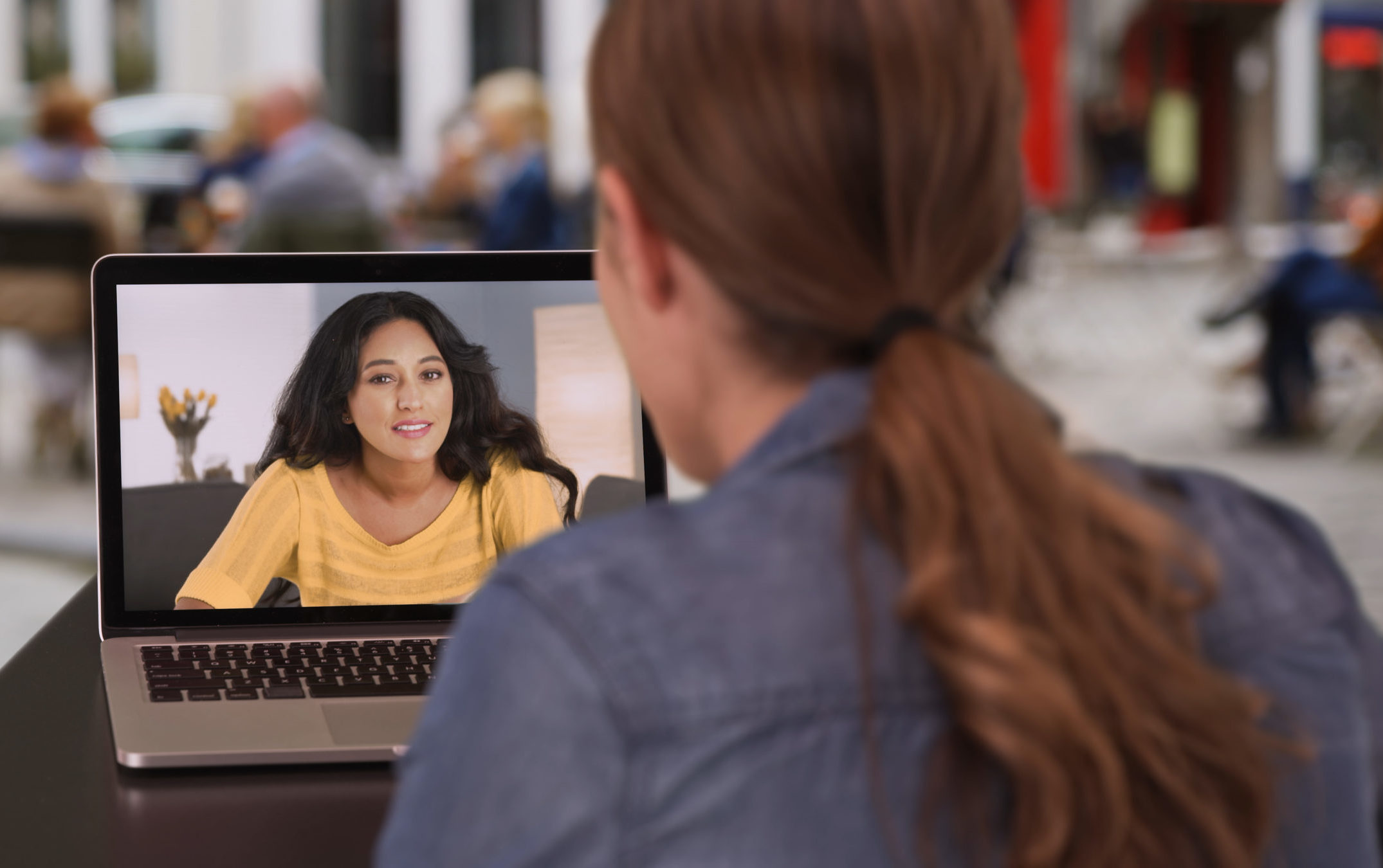
Is Teletherapy Right For You?
Benefits
- Easier access. If health, emotional, or transportation difficulties make it hard to get to an office, video sessions can make treatment possible.
- Convenience. No commute, no waiting room, and no lost session time if you’re running late. Scheduling is often more flexible.
- More privacy. There’s less chance of seeing someone you know in a waiting room.
- Access to specialists. You may be able to work with a clinician who specializes in your concern, even if no one nearby does.
When In-Person Care May Be Better
- Certain clinical concerns. In-person care may be a better fit for some difficulties, such as suicidality or psychosis.
- Unreliable technology. Frequent technical problems or an unstable internet connection can disrupt sessions.
- No private space. If you can’t find a fully confidential place for sessions, you may feel less comfortable sharing, and that can limit what you get from therapy.