
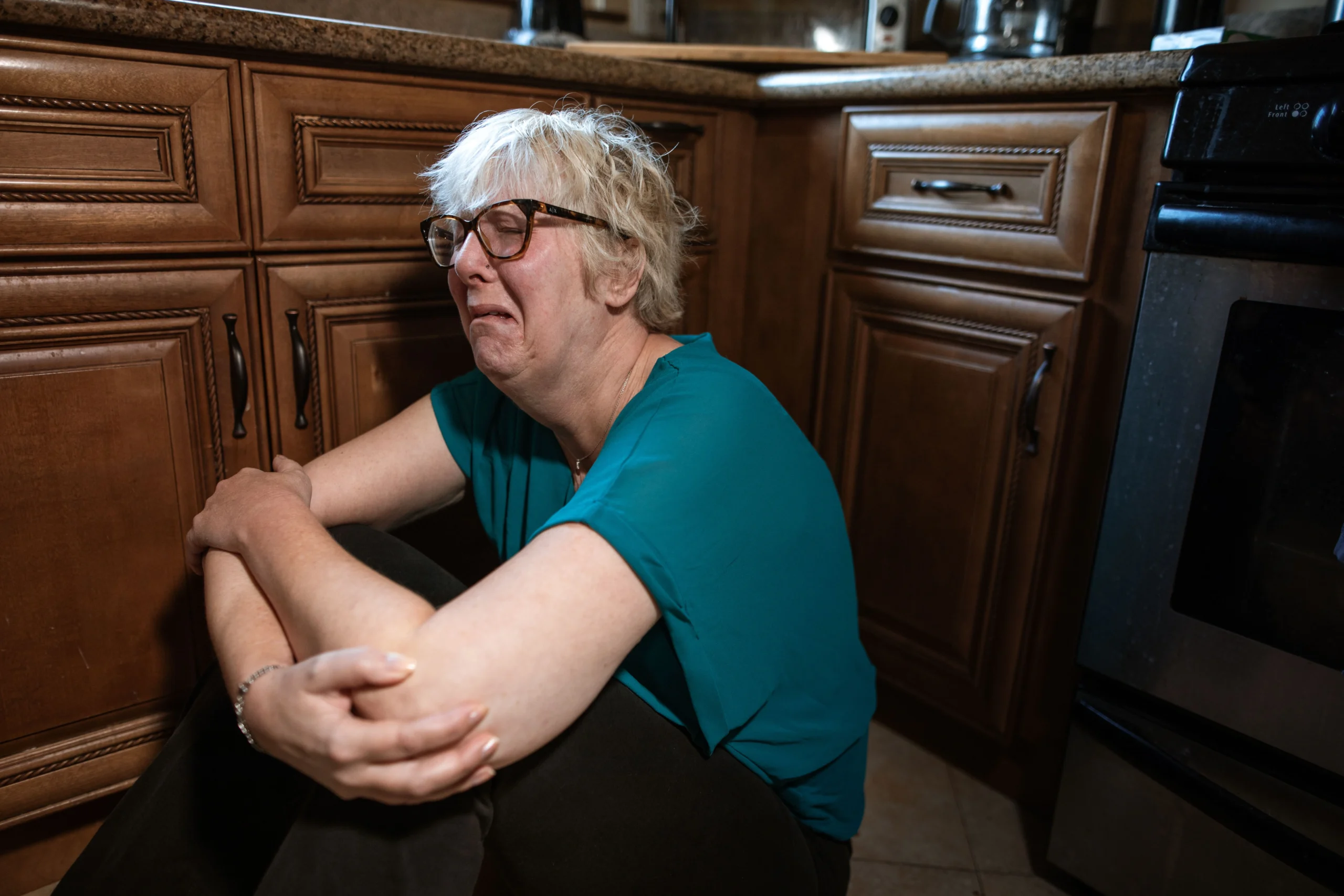
What Is Historical Trauma and How Does It Affect Generations?
Historical trauma refers to the emotional and psychological impact experienced across generations after significant collective traumatic events. These events may include colonization, war, forced displacement, slavery, cultural erasure, or systemic discrimination.
Unlike individual trauma, historical trauma is shared by a community or group and can continue to affect future generations long after the original events have occurred.
Quick answer:
Historical trauma is the lasting emotional and psychological impact of collective traumatic experiences passed down through generations. It can influence beliefs, behaviors, relationships, and mental health, even in individuals who did not directly experience the original events.
Understanding Historical Trauma in a Broader Context
Historical trauma is rooted in large-scale events that disrupt communities, cultures, and identities. These experiences often involve loss of land, language, traditions, and safety.
Over time, the effects of these experiences can become embedded in families and communities.
Key characteristics of historical trauma
- It affects a group rather than just one individual
- It is passed down across generations
- It is often linked to systemic or structural harm
- It influences cultural identity and collective memory
This type of trauma is not always visible, but its effects can be deeply felt.
Examples of Historical Trauma
Historical trauma can take many forms depending on the group and context.
Common examples
- Colonization and forced assimilation
- Slavery and racial oppression
- War and genocide
- Forced migration or displacement
- Cultural suppression or loss of language
These events often create long-lasting disruptions that extend beyond the original generation.
How Historical Trauma Is Passed Down
One of the defining features of historical trauma is how it continues across generations.
1. Family and relational patterns
Parents and caregivers may pass down coping mechanisms shaped by their own experiences. These patterns can influence how emotions are expressed, how conflict is handled, and how relationships are formed.
2. Cultural narratives and beliefs
Shared stories, beliefs, and values can carry the memory of past trauma. These narratives may shape identity, worldview, and expectations.
3. Behavioral adaptations
Survival strategies developed during traumatic times, such as hypervigilance or emotional suppression and it can become normalized and passed down.
4. Biological and stress responses
Some research suggests that trauma can influence stress responses across generations, affecting how individuals react to challenges.
Emotional and Psychological Effects
Historical trauma can influence emotional well-being in various ways.
Common emotional experiences
- Anxiety or persistent stress
- Feelings of grief or loss
- Anger or frustration
- Shame or internalized beliefs
These emotions may not always be connected to a specific personal experience, but they can still feel intense and very real.
Impact on Identity and Self-Perception
Historical trauma can shape how individuals see themselves and their place in the world.
Possible effects
- Confusion about identity
- Disconnection from cultural roots
- Internalized negative beliefs
- Struggles with belonging
At the same time, many individuals find strength and resilience in reconnecting with their cultural identity.
Effects on Relationships and Communities
Historical trauma does not only affect individuals, it can influence entire communities as well.
Relationship patterns
- Difficulty trusting others
- Fear of vulnerability
- Challenges with communication
Community impact
- Loss of cultural practices
- Disruption of traditional support systems
- Collective grief and unresolved pain
Understanding these patterns can help create space for healing.
Why Historical Trauma Is Often Overlooked
Historical trauma is sometimes difficult to recognize because it is not tied to a single, personal experience.
Reasons it may be overlooked
- Lack of awareness or education
- Normalization of stress within communities
- Focus on individual rather than collective experiences
Bringing awareness to historical trauma is an important step toward healing.
Signs That Historical Trauma May Be Present
While experiences vary, there are some common indicators.
Emotional and behavioral signs
- Ongoing feelings of fear or insecurity
- Difficulty managing stress
- Patterns of avoidance or withdrawal
Social and relational signs
- Distrust of systems or authority
- Challenges in forming stable relationships
These signs are not definitive but may point to deeper, inherited patterns.
The Role of Resilience and Strength
It is important to recognize that alongside trauma, many communities also pass down resilience, strength, and cultural richness.
Sources of resilience
- Cultural traditions and practices
- Strong community bonds
- Shared values and identity
These strengths can play a key role in healing.
Steps Toward Healing Historical Trauma
Healing historical trauma involves both individual and collective efforts.
1. Increasing Awareness
Understanding the origins of historical trauma can provide clarity and validation.
This may involve:
- Learning about history
- Exploring cultural narratives
- Acknowledging past injustices
Awareness helps connect present experiences to their roots.
2. Reconnecting With Culture
Reconnecting with cultural identity can be a powerful part of healing.
This can include:
- Participating in traditions
- Learning or preserving language
- Engaging with community practices
Cultural connection can restore a sense of belonging.
3. Building Emotional Awareness
Recognizing and understanding emotions is essential.
This may involve:
- Reflecting on emotional patterns
- Practicing mindfulness
- Allowing space for grief and healing
4. Strengthening Community Support
Healing often happens in connection with others.
Support can come from:
- Family
- Cultural groups
- Community organizations
Shared experiences can reduce isolation.
5. Seeking Professional Support
Working with a trained professional can help address both individual and inherited trauma patterns.
A trauma therapist can provide structured guidance, helping you explore your experiences, understand emotional responses, and develop coping strategies.
Therapeutic Approaches for Historical Trauma
Different approaches can support healing in meaningful ways.
Cognitive Behavioral Therapy (CBT)
Helps identify and shift unhelpful thought patterns.
Trauma-focused therapy
Addresses the impact of past experiences in a safe and gradual way.
Narrative therapy
Encourages individuals to reframe their personal and cultural stories.
Somatic approaches
Focus on how trauma is stored in the body and help release physical tension.
Healing Across Generations
Healing historical trauma is not only about the present but rather, it can influence future generations.
Ways healing can continue
- Creating healthier communication patterns
- Passing down positive coping strategies
- Encouraging emotional openness
Each step toward healing can create a ripple effect.
Challenges in the Healing Process
Healing historical trauma can bring up complex emotions.
Common challenges
- Facing difficult histories
- Balancing pain with resilience
- Navigating identity and belonging
These challenges are part of the process and can be addressed with support.
The Importance of Compassion and Patience
Healing takes time, especially when trauma spans generations.
Self-compassion involves:
- Being patient with your progress
- Recognizing your efforts
- Allowing space for both growth and difficulty
You are not expected to resolve everything at once.
Why Consider Support from Psychological Healing
If you are exploring the impact of historical trauma, Psychological Healing offers evidence-based therapy in a structured and supportive environment. Their team uses approaches such as CBT, ACT, and trauma-focused therapies to help you better understand your thoughts, emotions, and inherited patterns.
You can expect a space where your experiences are respected and explored at a pace that feels safe for you. Therapy focuses on building awareness, strengthening emotional regulation, and supporting long-term well-being.
Book an appointment with Psychological Healing to explore your next steps in a way that feels supportive and aligned with your needs.
Moving Forward With Awareness and Strength
Historical trauma is a complex and layered experience, but it does not define your future. Understanding its impact can help you make sense of emotional patterns and behaviors that may have felt confusing.
Healing is not about disconnecting from your past. It is about understanding it in a way that allows you to move forward with clarity and strength.
Final Thoughts
So, what is historical trauma, and how does it affect generations?
It is the lasting impact of collective experiences passed down over time, shaping emotions, behaviors, and identity. While these patterns can feel deeply ingrained, they are not unchangeable.
With awareness, support, and intentional effort, it is possible to break cycles, build resilience, and create new pathways for yourself and future generations.
Taking that first step may feel uncertain, but it can lead to meaningful and lasting change.
Feel free to check out our social media links below:
Check out our related articles below: