Why Do I Get Anxious at Night? Common Causes and Solutions
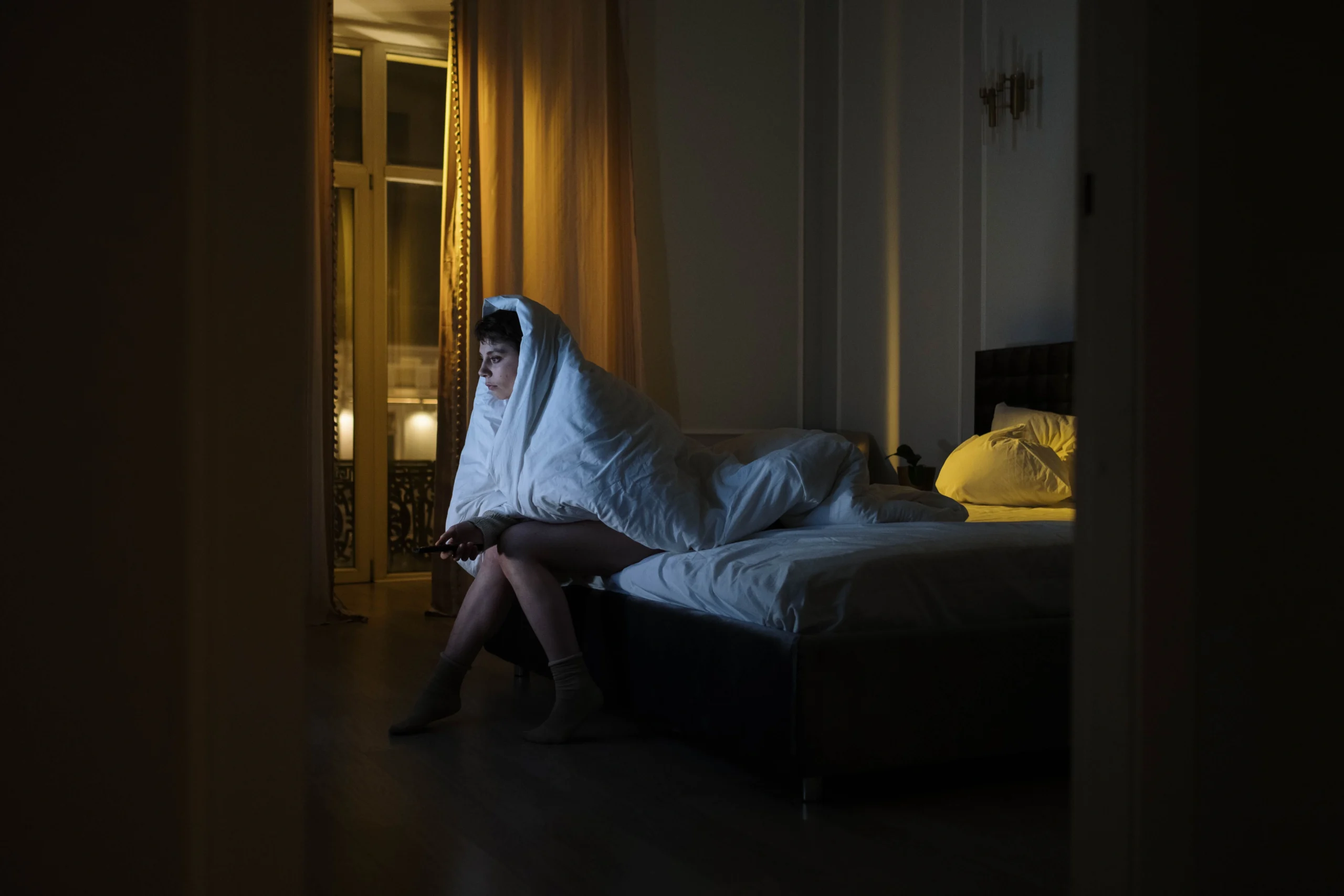
Have you ever climbed into bed feeling exhausted, only to find your mind suddenly racing with worries, fears, and endless what-if scenarios? You are not alone. Many people find themselves asking, Why Do I Get Anxious at Night, especially when the day is finally over, and they are trying to relax. What should be a peaceful time can quickly turn into a struggle marked by overthinking, restlessness, and difficulty falling asleep.
Nighttime anxiety is more common than many people realize. While anxiety can occur at any time of day, it often feels more intense at night because there are fewer distractions competing for your attention. When the world becomes quieter, your thoughts can become louder. Understanding why this happens can help you take steps to manage anxiety, improve sleep quality, and feel more in control of your emotional well-being.
Why Do I Get Anxious at Night?
If you are wondering why you get anxious at night, there are several possible explanations. Nighttime anxiety often occurs because the distractions and responsibilities of the day have faded away, leaving more mental space for worries and unresolved thoughts to surface. Throughout the day, work, family responsibilities, social interactions, and daily tasks keep your mind occupied. Once you lie down to sleep, those distractions disappear, and your brain may shift its attention to concerns that were pushed aside earlier.
Physical fatigue can also play a role. When you are tired, your ability to manage emotions and stress effectively may decrease. As a result, worries can feel more intense and difficult to control. In addition, stress accumulated throughout the day can build up and become more noticeable during quiet moments. Some people also experience anxiety about sleep itself, worrying about whether they will be able to fall asleep or function well the next day. These factors can create a cycle where anxiety makes sleep difficult, and poor sleep increases anxiety. The good news is that understanding the causes of nighttime anxiety is the first step toward finding effective solutions and creating healthier habits that support both emotional wellness and restful sleep.
Why Does Anxiety Feel Worse at Night?
Many people notice that anxiety feels significantly stronger after dark. This is not your imagination. There are several reasons why nighttime can amplify anxious thoughts and feelings.
Fewer Distractions Mean More Mental Space
During the day, your attention is often focused on work, errands, conversations, and responsibilities. These activities can temporarily distract you from anxious thoughts.
At night, those distractions disappear. Without external stimulation, your brain has more opportunity to revisit worries, concerns, and unresolved problems. Thoughts that seemed manageable during the day can suddenly feel overwhelming.
The Impact of Daily Stress
Stress does not always disappear at the end of the day. In fact, emotional tension often accumulates throughout the day.
You may be carrying concerns about:
- Work deadlines
- Financial pressures
- Relationship issues
- Family responsibilities
- Health concerns
- Future uncertainties
When you finally slow down, your mind may begin processing everything it has been holding onto.
Physical Fatigue Can Increase Anxiety
Lack of energy can affect emotional regulation. When you are tired, you may be less equipped to challenge anxious thoughts or maintain perspective.
Research consistently shows a strong connection between sleep, mood, and anxiety. Physical exhaustion can make worries feel larger and more urgent than they actually are.
What Are the Symptoms of Nighttime Anxiety?
Nighttime anxiety can affect both your mind and body. Symptoms vary from person to person, but many people experience a combination of emotional and physical reactions.
Emotional Symptoms
Common emotional symptoms include:
- Excessive worry
- Fear or dread
- Racing thoughts
- Restlessness
- Irritability
- Difficulty relaxing
- Feeling overwhelmed
Some individuals find themselves replaying conversations, imagining worst-case scenarios, or worrying about future events.
Physical Symptoms
Nighttime anxiety can also cause physical symptoms such as:
- Rapid heartbeat
- Muscle tension
- Sweating
- Shortness of breath
- Upset stomach
- Headaches
- Difficulty falling asleep
These physical sensations can sometimes increase anxiety further, creating a cycle that makes it harder to settle down for sleep.
How Can I Calm Anxiety at Night?
Fortunately, there are several strategies that can help reduce nighttime anxiety and promote relaxation.
Create a Relaxing Bedtime Routine
A consistent bedtime routine signals to your brain and body that it is time to unwind.
Consider incorporating activities such as:
- Reading a book
- Taking a warm shower
- Gentle stretching
- Listening to calming music
- Practicing relaxation exercises
Creating predictable evening habits can help reduce stress and improve sleep quality.
Practice Mindfulness and Relaxation Techniques
Mindfulness encourages you to focus on the present moment rather than future worries.
Helpful techniques include:
- Deep breathing exercises
- Progressive muscle relaxation
- Guided meditation
- Grounding exercises
Even a few minutes of intentional relaxation can help calm the nervous system before bed.
Limit Anxiety Triggers Before Bed
Certain habits may unintentionally increase nighttime anxiety.
Try limiting:
- Caffeine in the afternoon and evening
- Excessive screen time before bed
- Stressful news consumption
- Work-related activities late at night
Creating a calm environment can help your mind transition into rest mode.
When Should You Seek Help for Nighttime Anxiety?
Occasional nighttime anxiety is common, but persistent symptoms may indicate a larger issue that deserves attention.
Signs Anxiety May Need Professional Support
You may benefit from professional guidance if:
- Anxiety regularly disrupts sleep
- Worry feels difficult to control
- Symptoms interfere with daily life
- You experience panic attacks
- Anxiety affects work or relationships
- Self-help strategies are not providing relief
Seeking support is not a sign of weakness. It is a proactive step toward improving your mental health.
How Therapy Can Help
Therapy can help you identify patterns contributing to anxiety and teach practical skills for managing symptoms.
Working with a qualified CBT Therapist can be especially beneficial for individuals struggling with persistent worry and overthinking. Cognitive Behavioral Therapy focuses on identifying unhelpful thought patterns and replacing them with healthier, more balanced ways of thinking.
Can Cognitive Behavioral Therapy Help With Nighttime Anxiety?
Cognitive Behavioral Therapy, often referred to as CBT, is one of the most effective approaches for treating anxiety disorders.
Understanding CBT for Anxiety
CBT is based on the understanding that thoughts, emotions, and behaviors are interconnected.
When anxiety occurs, people often become trapped in cycles of negative thinking. These thoughts can increase emotional distress and reinforce anxious behaviors.
A CBT therapist can help individuals recognize these patterns and develop practical tools to challenge anxious thoughts before they spiral out of control.
Benefits of Working With a Professional
Therapy provides personalized support tailored to your specific experiences and challenges.
Benefits may include:
- Improved emotional regulation
- Reduced anxiety symptoms
- Better sleep habits
- Increased self-awareness
- Greater confidence in managing stress
Many individuals find that working with a CBT therapist helps them gain lasting skills that improve both their mental health and overall quality of life.
Why Choose Psychological Healing
At Psychological Healing, we understand that anxiety affects everyone differently. We believe effective treatment begins with understanding each individual’s unique experiences, challenges, and goals.
Compassionate and Personalized Care
We take the time to get to know our clients and create treatment plans tailored to their specific needs.
Our approach emphasizes empathy, understanding, and collaboration throughout the healing process.
Evidence-Based Anxiety Treatment
We utilize proven therapeutic approaches that help individuals better understand anxiety and develop practical coping strategies.
Our goal is to equip clients with tools they can use long after therapy sessions have ended.
Supporting Long-Term Emotional Wellness
At Psychological Healing, we focus on more than symptom relief. We help clients build resilience, improve emotional regulation, and navigate life’s challenges with confidence.
We are committed to supporting lasting emotional wellness and personal growth.
Final Thoughts
If you have ever wondered why you get anxious at night, the answer often lies in a combination of stress, fatigue, unprocessed emotions, and the absence of daytime distractions. While nighttime anxiety can feel overwhelming, it is a common experience and one that can be effectively managed.
Understanding the causes of nighttime anxiety helps you take practical steps to improve your emotional well-being and sleep quality. Small changes, such as establishing a calming bedtime routine, practicing mindfulness, and seeking support when needed, can make a significant difference over time.
Remember that you do not have to struggle with anxiety alone. With the right tools and support, calmer nights and more restful sleep are possible.
Find Support for Nighttime Anxiety
If anxiety is making it difficult to relax, sleep, or enjoy your daily life, support is available. At Psychological Healing, we help individuals understand anxiety, develop effective coping strategies, and build lasting emotional resilience. Book an appointment to connect with our team and take the next step toward calmer nights and improved well-being.
Feel free to check out our social media links below:
Check out our related articles below:
- What Causes Panic Attacks at Night
- What Causes Anxieties
- How to Overcome Anxious Attachment